 Mauricio Junior

Investing in medical (healthcare) companies
Can be one of the smartest long-term strategies

Investing in medical (healthcare) companies can be one of the smartest long-term strategies—but only if you understand which part of healthcare you’re buying into. It’s a huge sector with very d ...
Subscribe easy2invest.org
Make your money work for you. Articles, videos, shorts, ebooks, books, forum, community and more.
You can cancel anytime.
Log In
Subscribe now
All information in this article is not a recommendation.
We show examples, and you need to analyze.
We are not responsible for your decisions and investments.
Related articles

How to manage your money?
Managing money well is less about being “rich”...

How to RETIRE by 30?
Retiring by 30 is possible, but it usually...

How can I begin start investing with just $50?
Follow the steps showing the simple way to do it

From $20 a day to a millionaire
Everything consistent in our lives is not comin...

Investing My First $100: A Simple Beginner’s Strategy
Starting your investment journey doesn’t require t

VXUS (Vanguard Total International Stock Index Fund) ETF
The most popular international index fund...
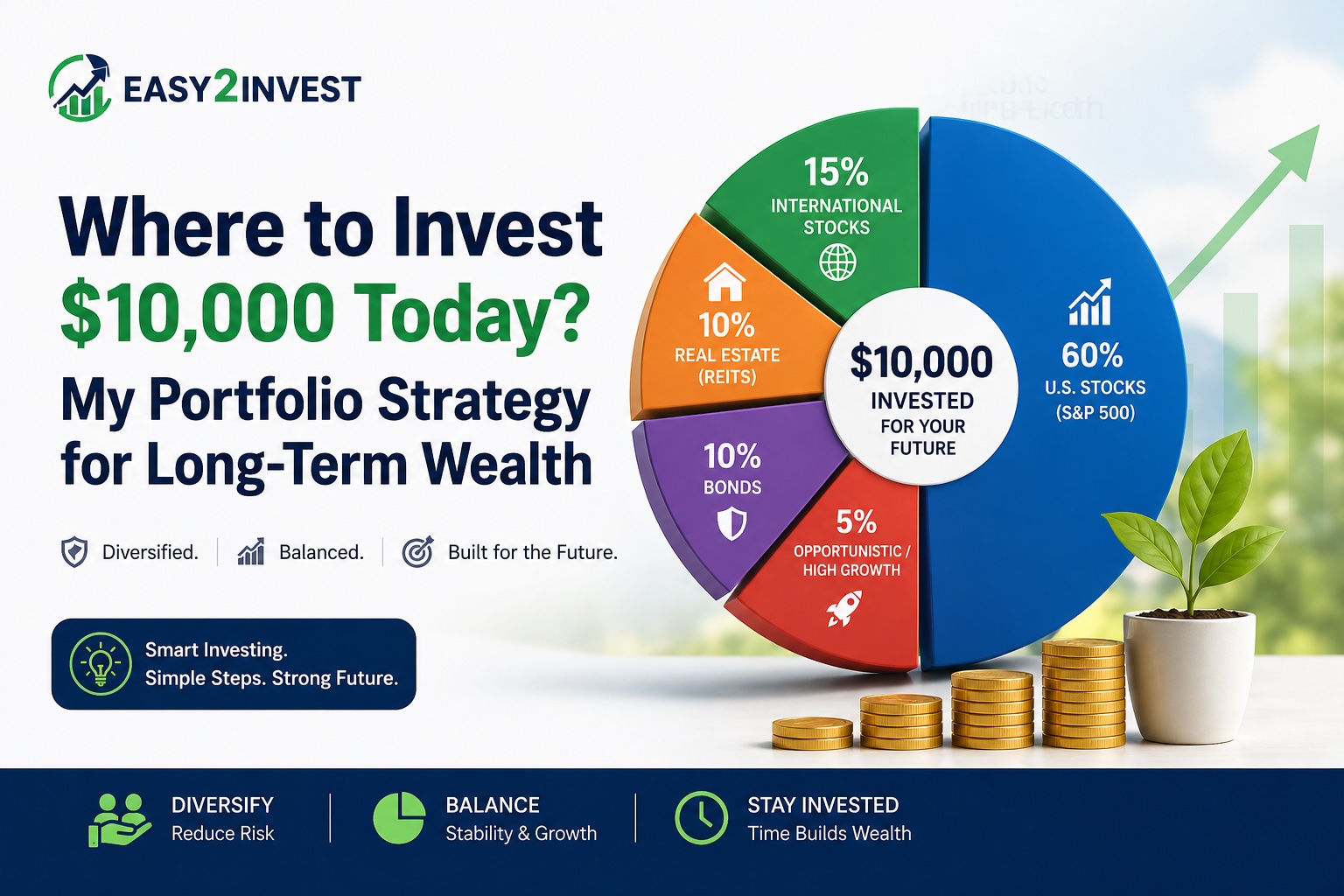
I requested the A.I. to generate a portfolio for investment using $10,000
I wouldn’t try to “outsmart” the market
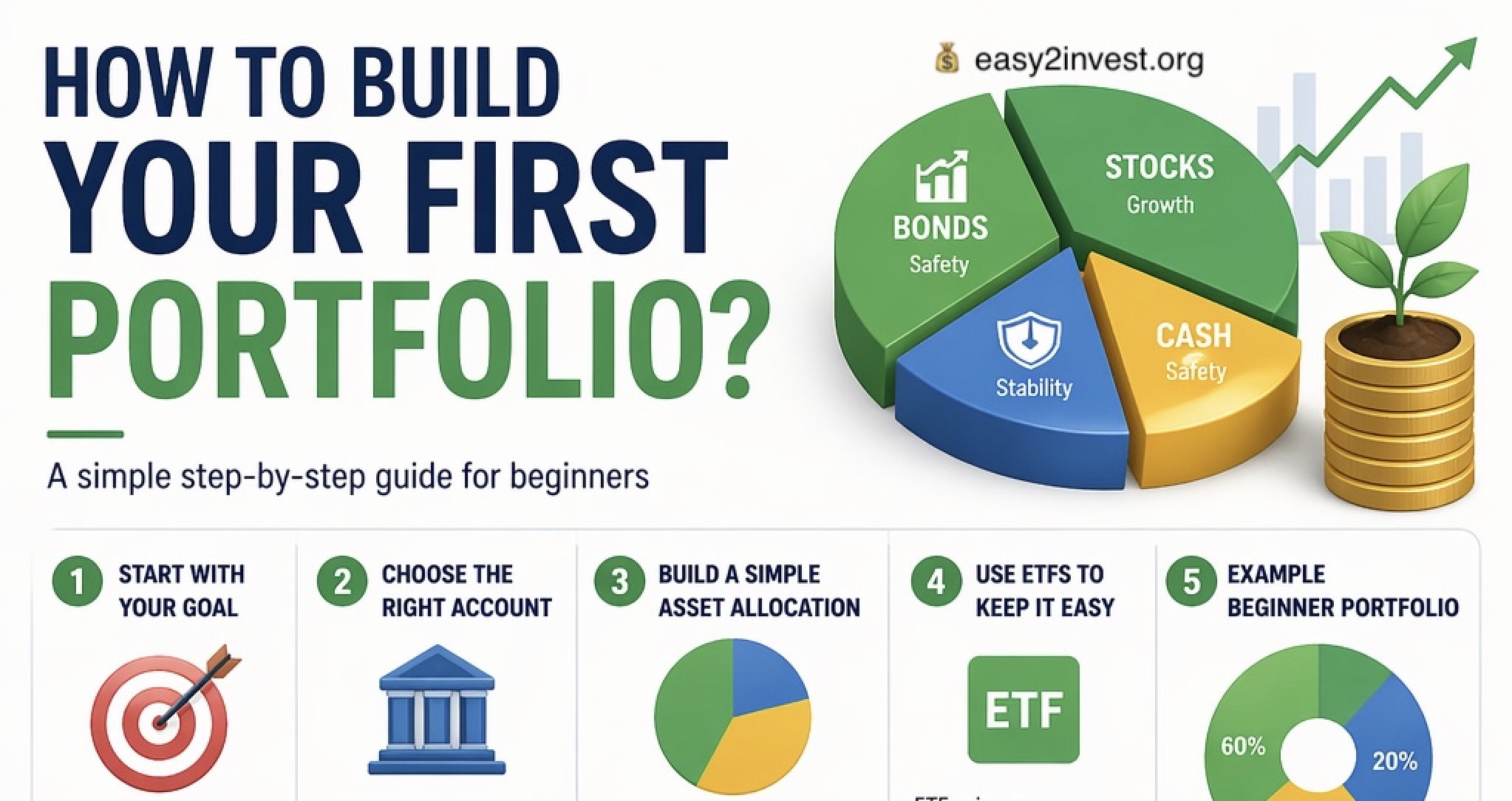
How to build my first portfolio?
Building your first investment portfolio doesn’t..

How to Start Investing with $100
Starting with $100 isn’t just possible - it’s...

Can I move my 401k from my old company to my new 401k?
Yes — in most cases you can...
About easy2invest.org
easy2invest
Sign in with Google |
|
|
|
|
| Enjoy unlimited access to all of easy2invest and our group. | |