Investments: Why Doing the Basics Still Wins
In a world full of hype, fast trades, and “get rich quick” strategies, the most reliable way to build wealth is still surprisingly simple: stick to the basics. You don’t need complex strategies or constant trading—you need consistency, discipline, and a solid foundation.
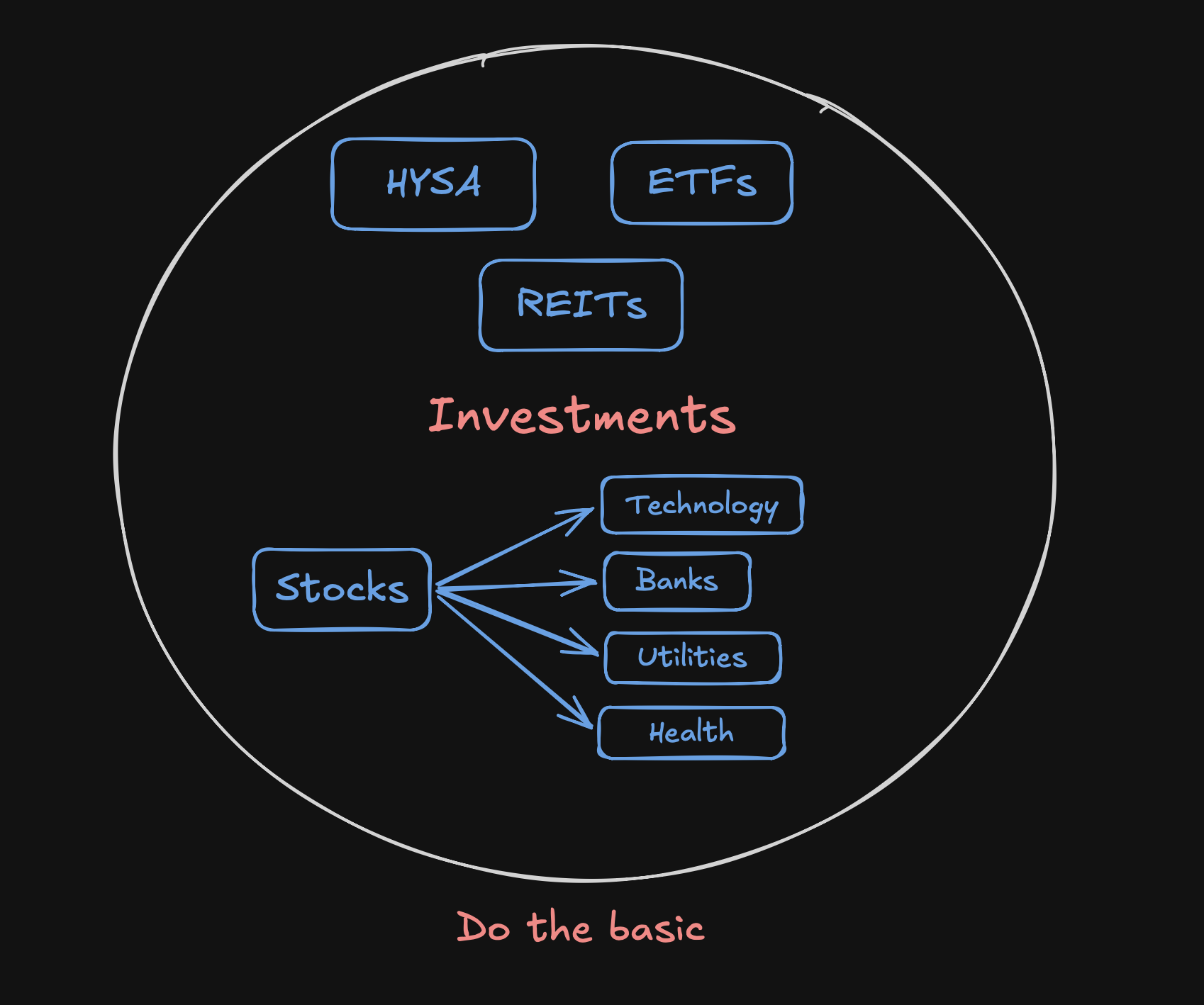
Let’s break down a practical, beginner-friendly (yet powerful) investment approach using four core pillars: HYSA, ETFs, REITs, and Stocks.
1. HYSA (High-Yield Savings Account): Your Financial Foundation
Before investing aggressively, you need stability.
A High-Yield Savings Account (HYSA) is where your financial safety net lives. It offers higher interest than traditional savings accounts while keeping your money liquid and low-risk.
Why it matters:
- Emergency fund (3–6 months of expenses)
- Protection against unexpected events
- Earns interest while staying accessible
Strategy:
Keep a portion of your money here—this is not for growth, but for security and peace of mind.
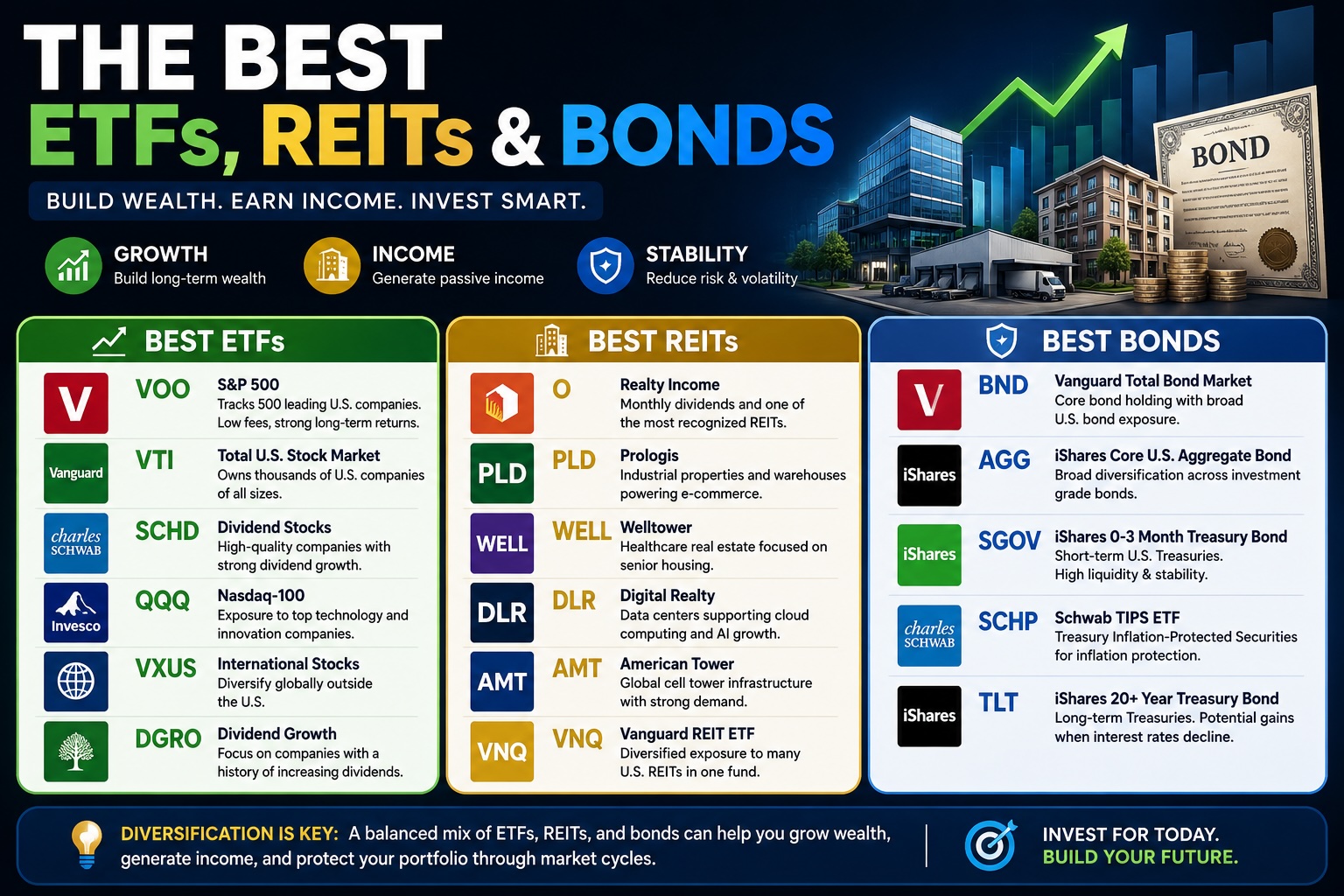
2. ETFs: Simple, Diversified Growth
Exchange-Traded Funds (ETFs) are one of the easiest and most effective ways to invest in the market.
Instead of picking individual stocks, ETFs allow you to invest in hundreds or thousands of companies at once.
Why ETFs work:
- Instant diversification
- Lower risk than single stocks
- Low fees
- Passive growth over time
Strategy:
Focus on broad-market ETFs (like those tracking the S&P 500 or total market). This becomes your core growth engine.
3. REITs: Income Through Real Estate
Real Estate Investment Trusts (REITs) allow you to invest in real estate without owning property.
They generate income from properties like:
- Data centers
- Hospitals
- Apartments
- Shopping centers
Why REITs are powerful:
- High dividend income
- Exposure to real estate markets
- Inflation protection
Strategy:
Use REITs as your income layer, especially if you want monthly or quarterly cash flow.
4. Stocks: Targeted Growth in Key Sectors
While ETFs provide broad exposure, individual stocks allow you to focus on specific sectors with strong long-term potential.
A simple approach is to stick to essential, proven industries:
Technology
- Innovation and long-term growth
- Companies shaping the future (AI, cloud, software)
Banks
- Benefit from interest rates and economic growth
- Often pay dividends
Utilities
- Stable and defensive
- Consistent demand (electricity, water, energy)
Healthcare
- Essential services
- Growth driven by aging populations and innovation
Strategy:
Pick a few strong companies in each sector. Don’t overcomplicate it—focus on quality and consistency, not hype.
Putting It All Together
A “basic” portfolio might look like this:
- HYSA ? Safety & liquidity
- ETFs ? Core long-term growth
- REITs ? Passive income
- Stocks ? Targeted sector opportunities
This approach gives you:
- Stability
- Diversification
- Income
- Growth
The Real Secret: Consistency
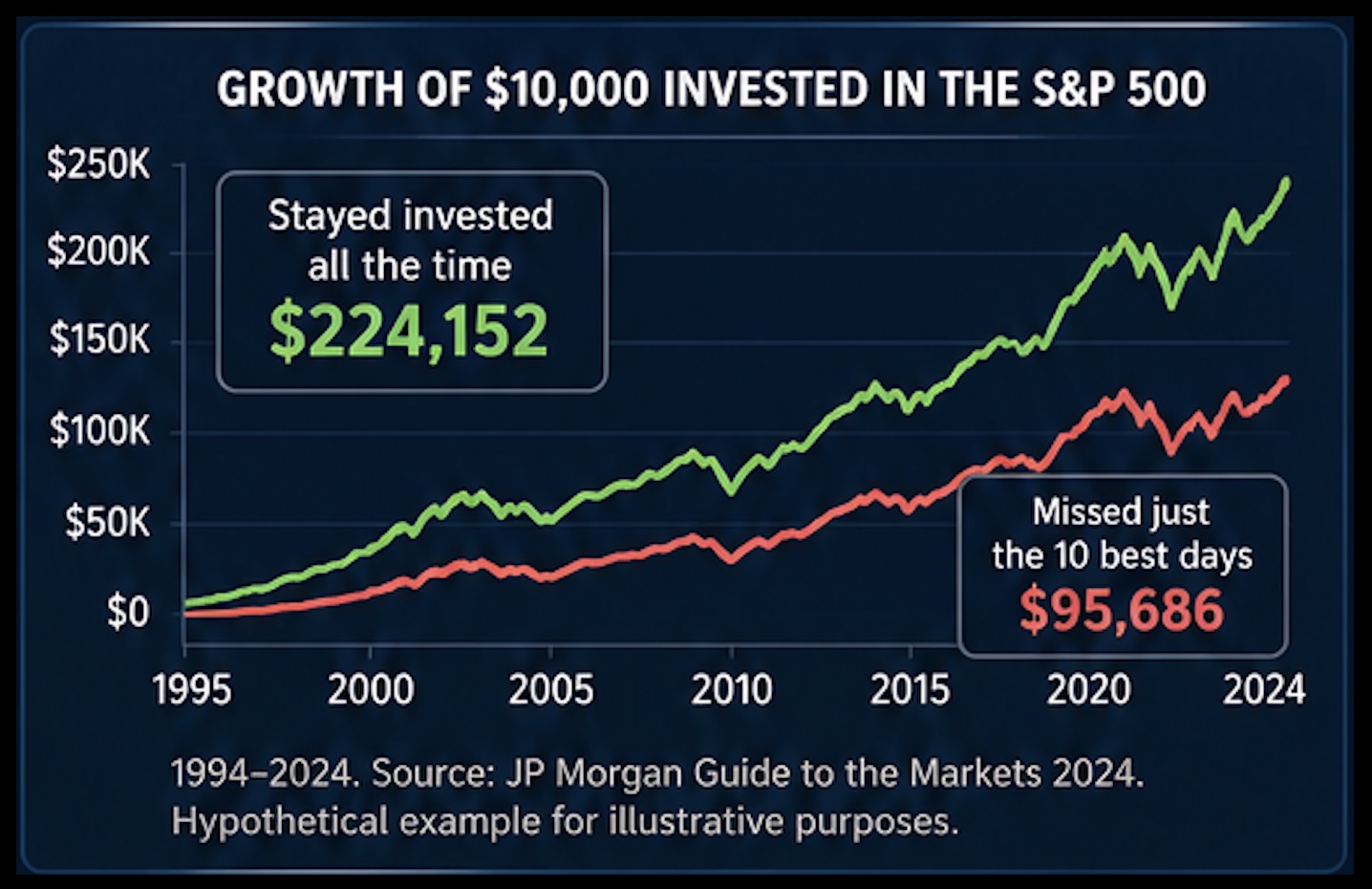
The biggest mistake investors make is not lack of knowledge—it’s lack of consistency.
You don’t need to time the market. You don’t need to chase trends.
You need to:
- Invest regularly
- Stay disciplined
- Think long-term
Final Thought
Doing the basics may not sound exciting—but it works.
While others chase shortcuts, a simple strategy built on HYSA, ETFs, REITs, and solid stocks can quietly grow into something powerful over time.
Boring investing is often the most profitable investing.
All articles here is not a recommendation.
We just show examples and you need to analyze.
Related articles
Is cryptocurrency considered a viable investment?
can be considered investments...
Is having life insurance good or bad?
Having life insurance can be a very smart or not?
The Schwab U.S. Dividend Equity ETF (SCHD)
Is one of the most popular ETFs for income invest
Mauricio Junior