 Mauricio Junior

Safe ETF Portfolio strategy
A "safe" ETF strategy isn’t about avoiding risk co

A “safe” ETF strategy isn’t about avoiding risk completely—it’s about controlling it while still growing your money consistently. Here’s a solid, proven approach many long-term in ...
Subscribe easy2invest.org
Make your money work for you. Articles, videos, shorts, ebooks, books, forum, community and more.
You can cancel anytime.
Log In
Subscribe now
All information in this article is not a recommendation.
We show examples, and you need to analyze.
We are not responsible for your decisions and investments.
Related articles
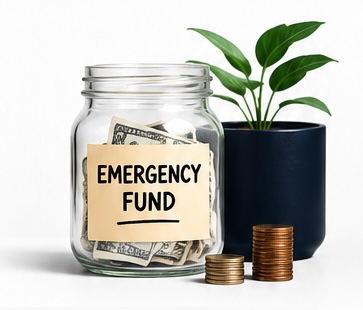
A good strategy to pay me first and conquer the first emergency reserve
A great way to build your emergency savings...
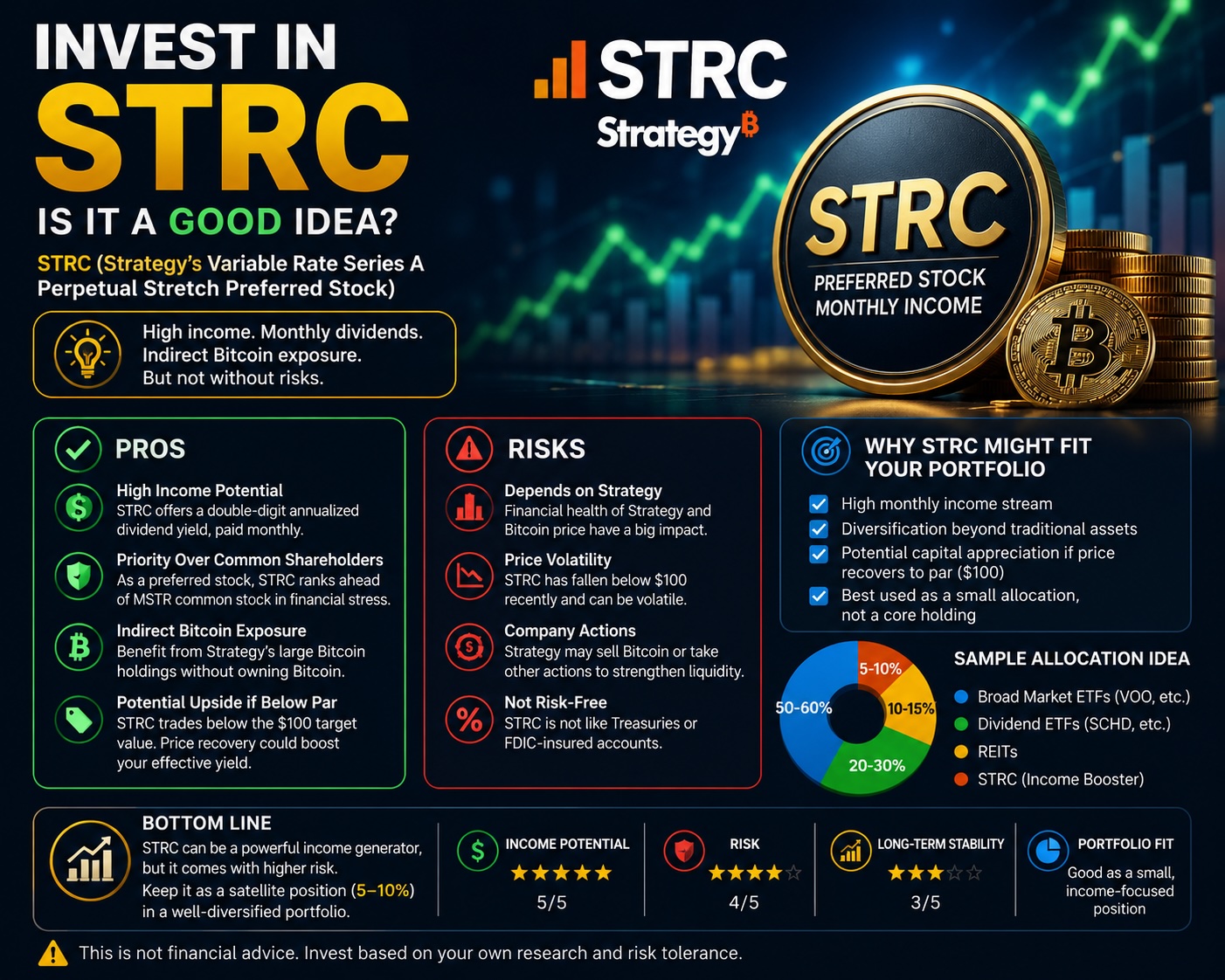
Invest in STRC: Is it a good idea?
Strategy's Variable Rate Series A Perpetual Stretc
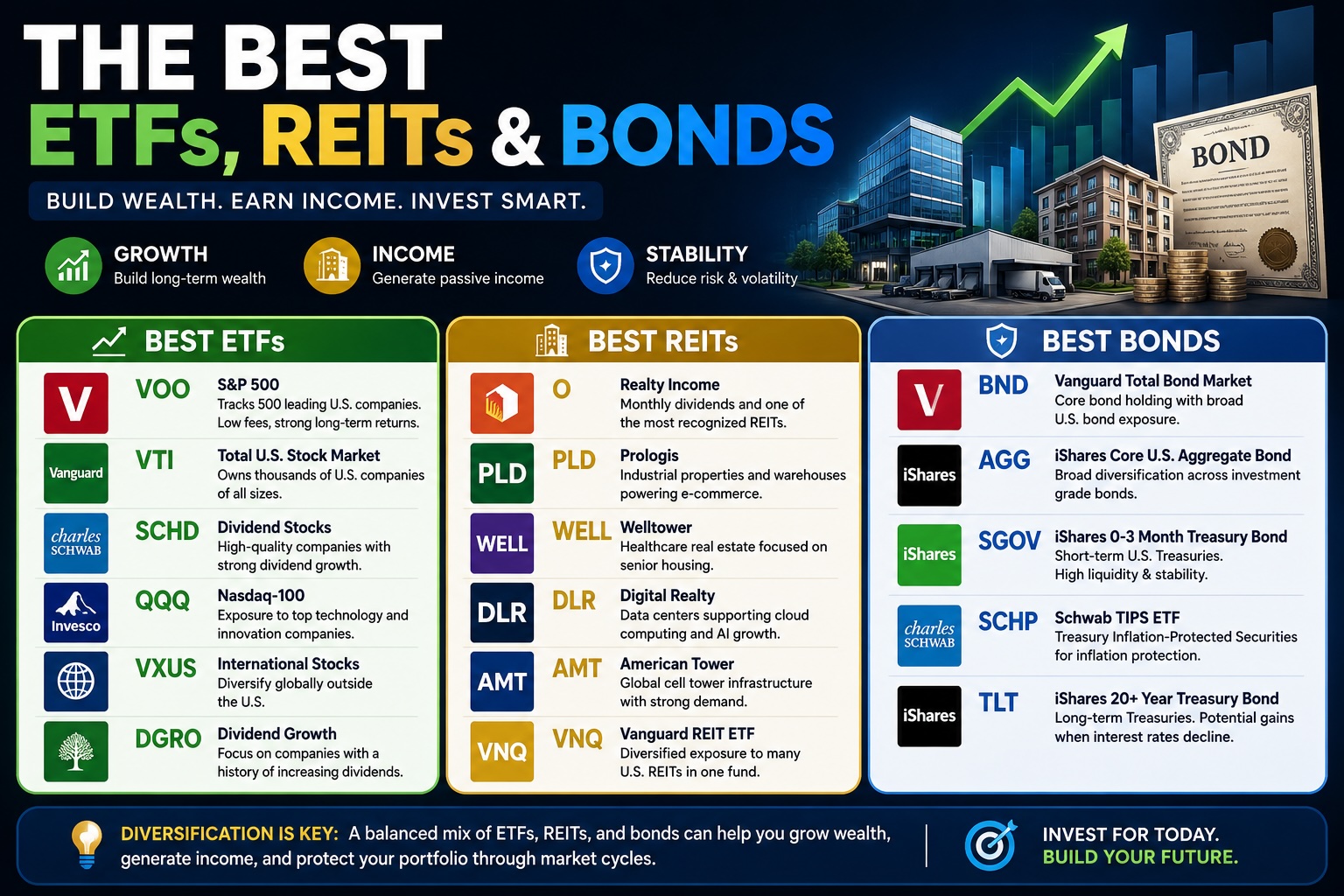
The best ETFs, REITs, and BONDs
If you're building long-term wealth...
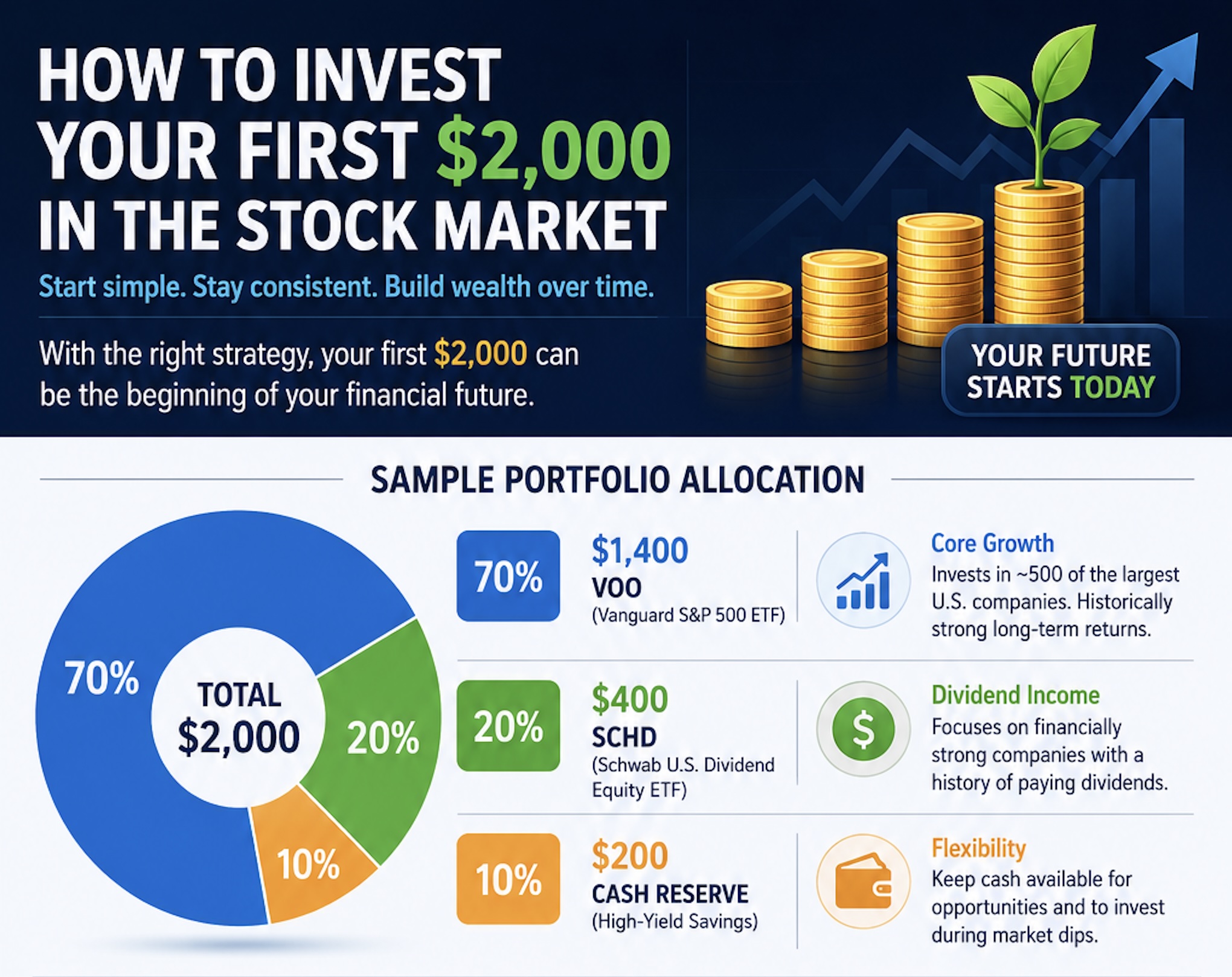
How to invest my first $2000 on stock market?
If you're investing your first $2,000, your bi...

Is the stock market made by cycles?
Yes. The stock market tends to move in cycles...
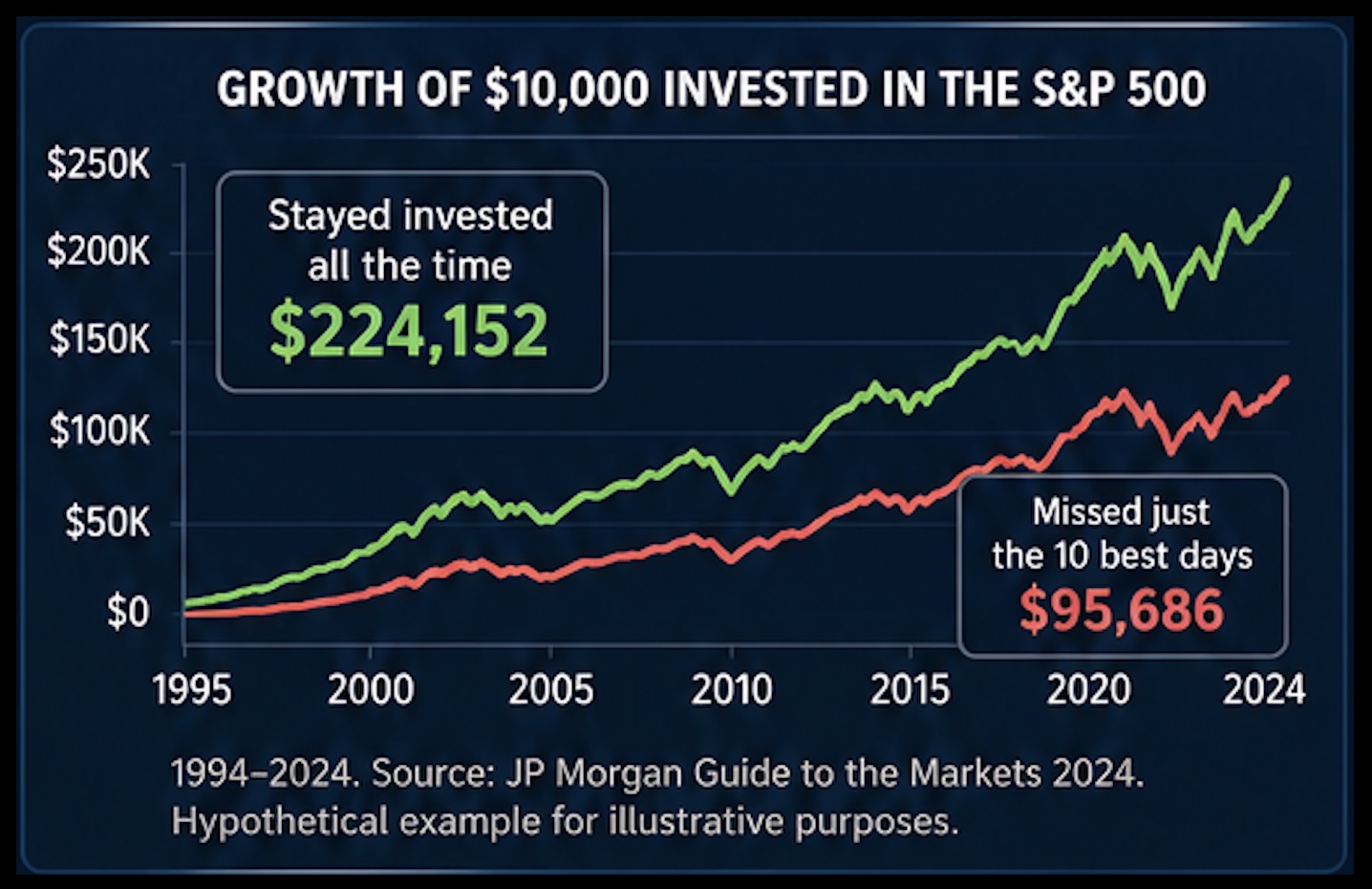
The best time or day to buy on the stock market?
There is no single best day or hour to buy stock..
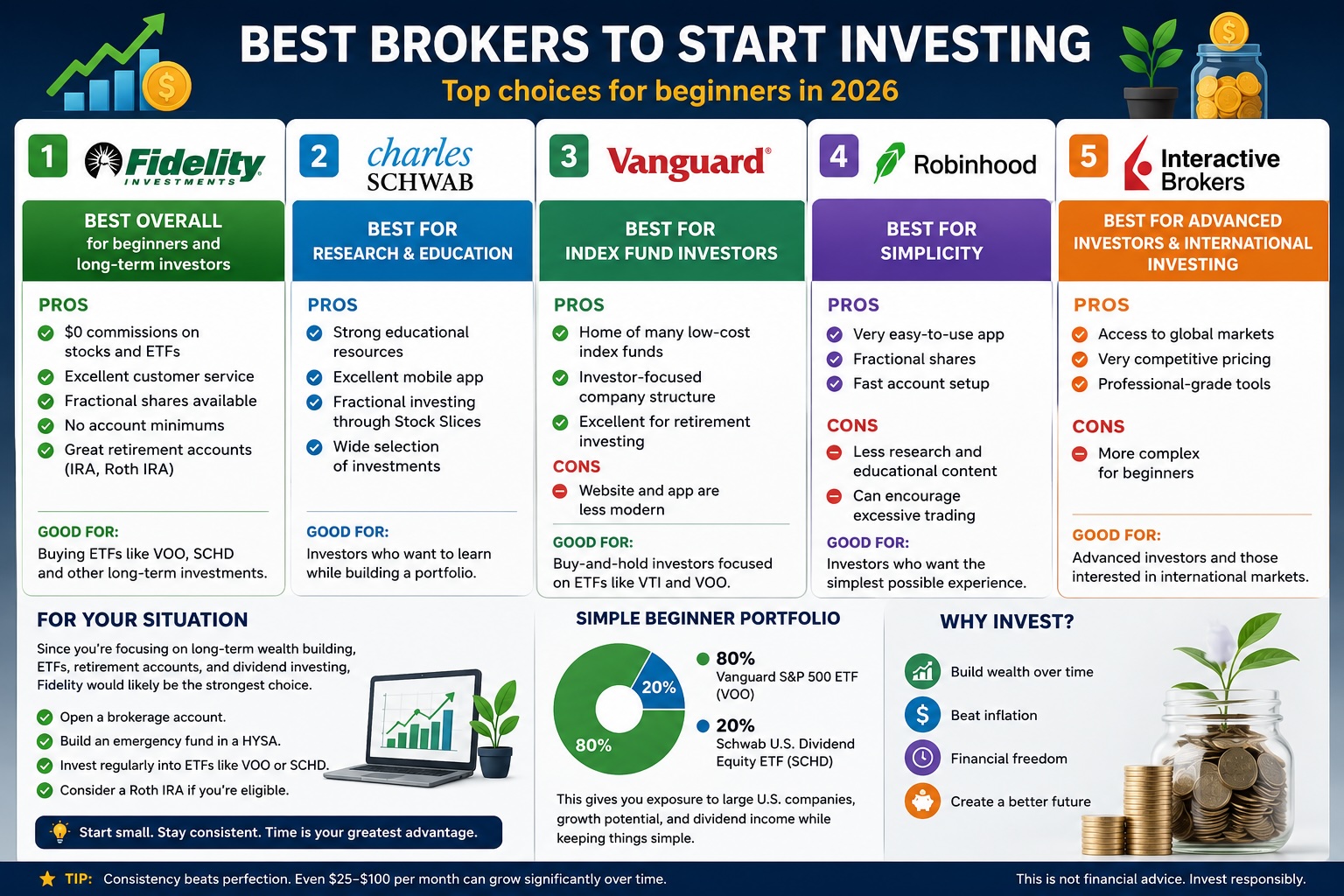
Best brokers to start investing
If you're just starting to invest in the U.S. ...

Your first investment under 35 dollars for beginners
Many people believe they need thousands of d...
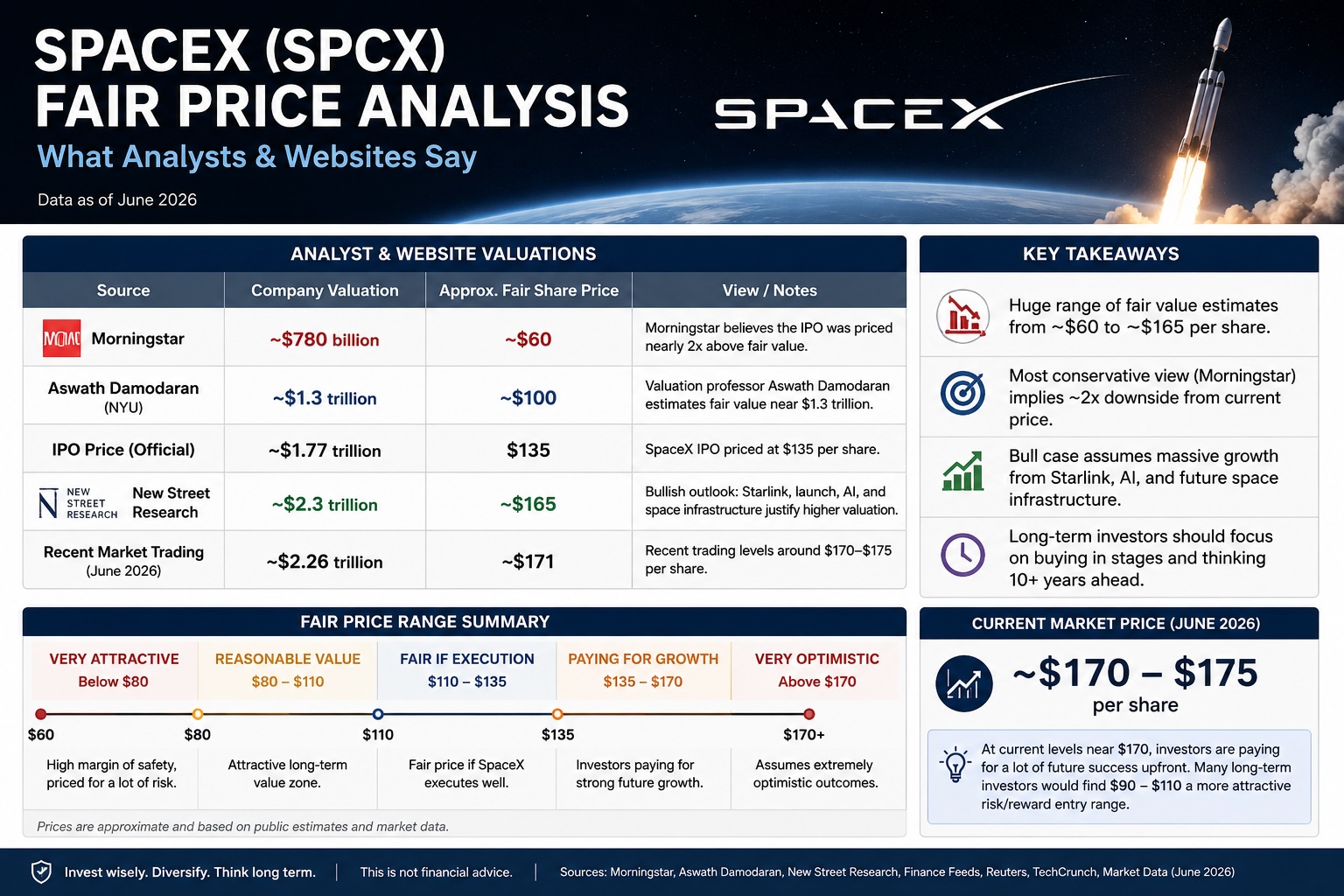
What is the fair price of SPCX (SpaceX)?
SpaceX's IPO was priced at $135 per share, and...

SpaceX will pay dividends?
As of June 2026, SpaceX has explicitly stated...