 Mauricio Junior

Rules about IRA Individual Retirement Account
Step by step with examples

An Individual Retirement Account (IRA) is a retirement investment account in the United States that gives you tax advantages to help you save for retirement. There are two ma ...
Subscribe easy2invest.org
Make your money work for you. Articles, videos, shorts, ebooks, books, forum, community and more.
You can cancel anytime.
Log In
Subscribe now
All information in this article is not a recommendation.
We show examples, and you need to analyze.
We are not responsible for your decisions and investments.
Related articles

Conquiste a sua aposentadoria no Brasil
Como pagar a sua aposentaria mesmo vivendo fora...

The best credit card to increase my credit score
If your goal is increasing your credit score...
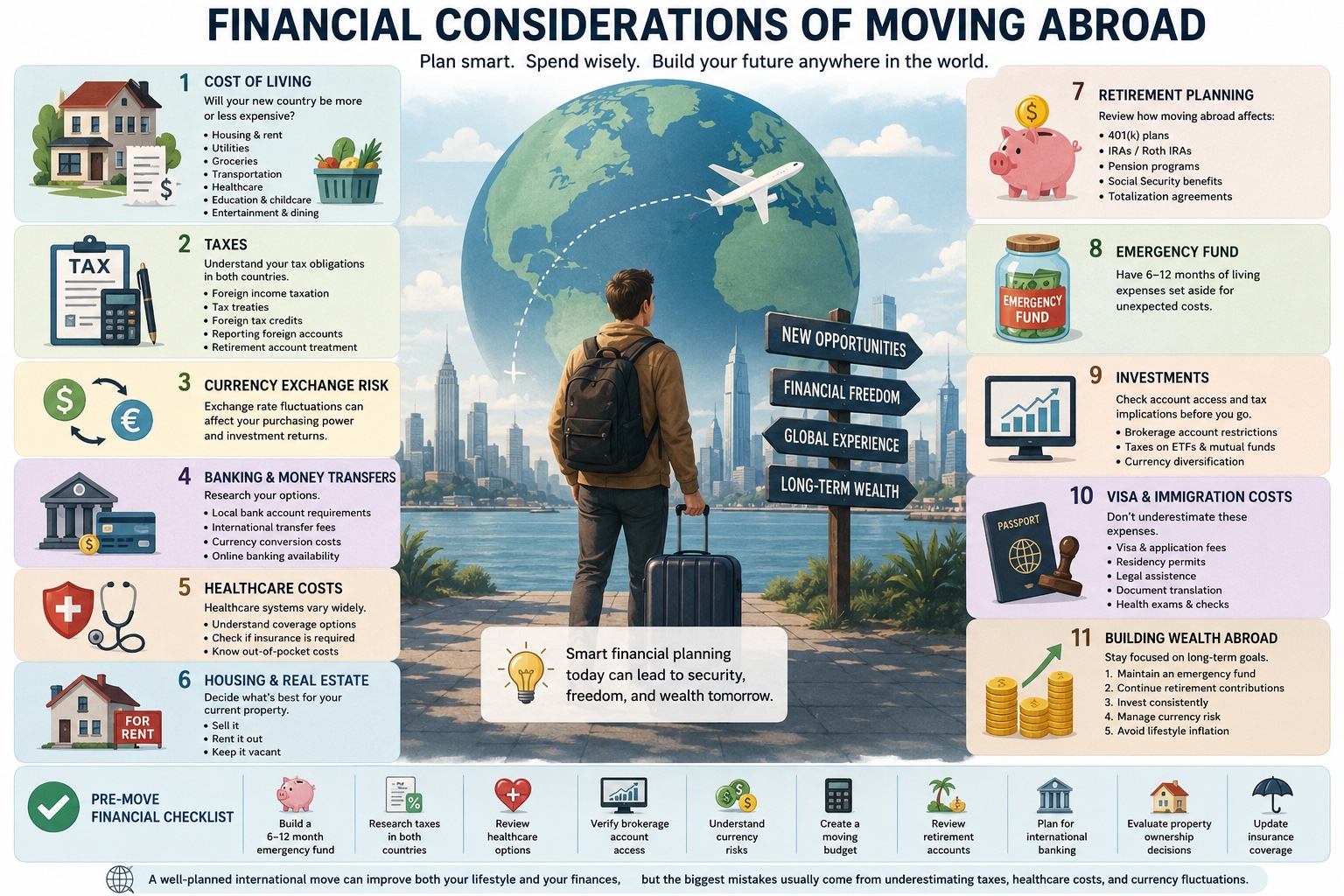
The financial considerations of moving abroad
Moving abroad can be an exciting opportunity...
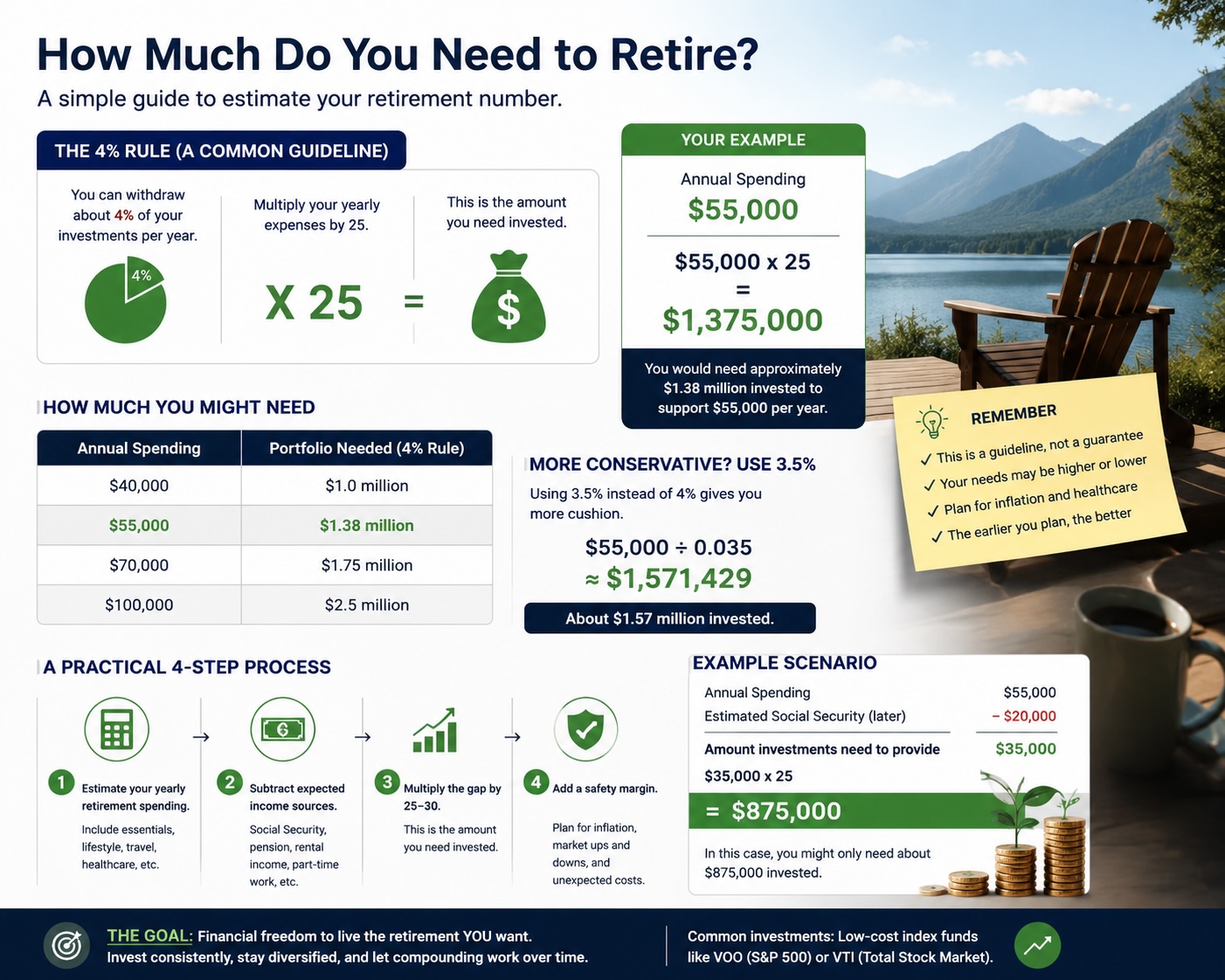
How do I figure out how much I'll need to retire?
Start with the first step, how much you...

How to deal with the finance budget?
Managing your finances is about controlling ...

MSTR Bitcoin
MSTR is the stock of Strategy...

When is it a good time to buy Bitcoin?
There’s no “perfect” moment to buy Bitcoin but...

What is the best broker to use now, based on trust?
Check here the best brokers to use
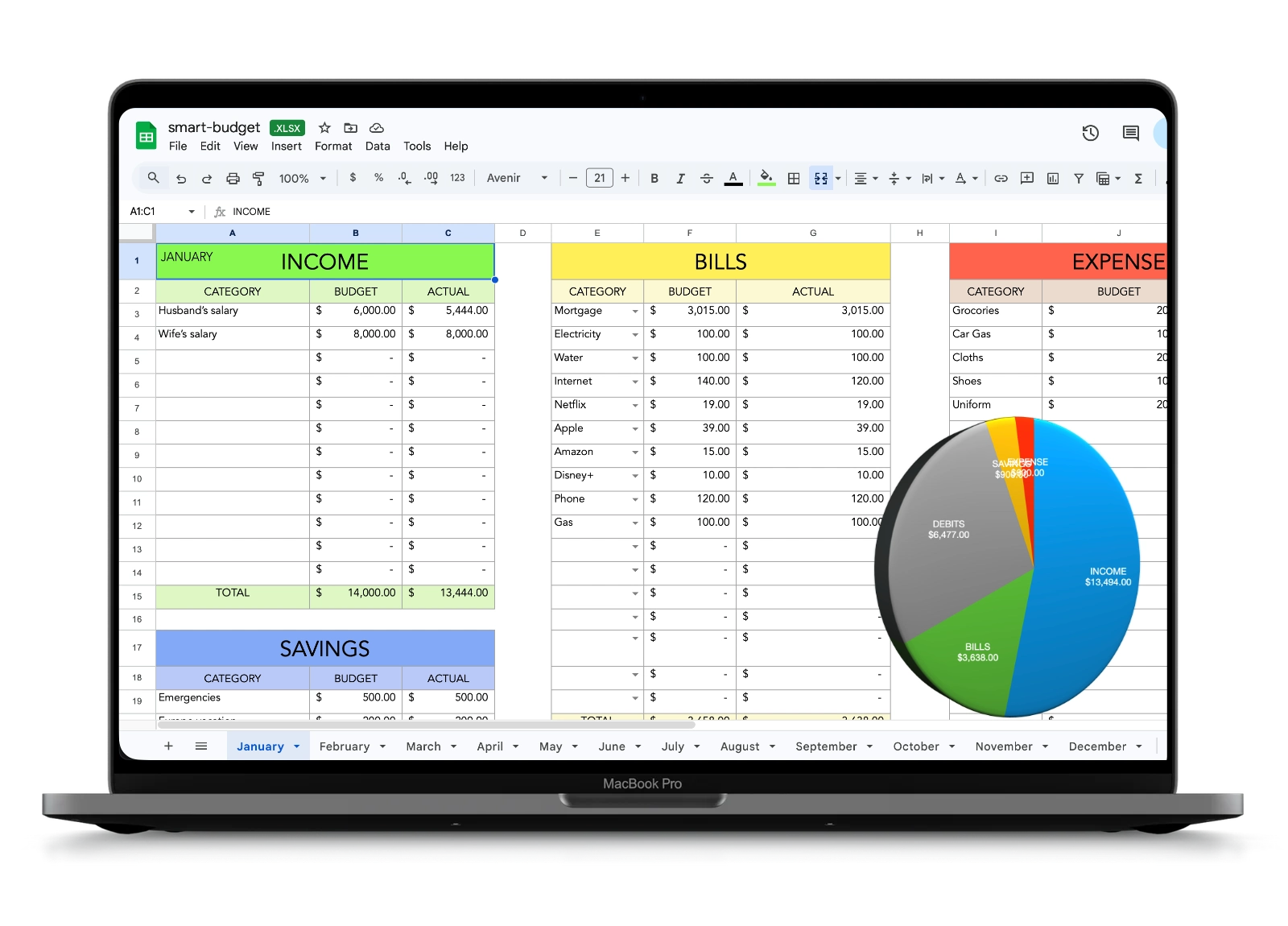
Smart Budget Tracker
How to control it?

I’m 1099 and I would like to optimize my tax
What to do in my case?