 Mauricio Junior

Problems about ETF
ETFs (Exchange-Traded Funds) are popular because..

ETFs (Exchange-Traded Funds) are popular because they’re simple and low-cost—but they’re not perfect. Here are the main problems you should understand before investing:
1. Market Risk (Y ...
Subscribe easy2invest.org
Make your money work for you. Articles, videos, shorts, ebooks, books, forum, community and more.
You can cancel anytime.
Log In
Subscribe now
All information in this article is not a recommendation.
We show examples, and you need to analyze.
We are not responsible for your decisions and investments.
Related articles

When is the best time to buy VOO?
There is no consistently "best" time to buy Vang..
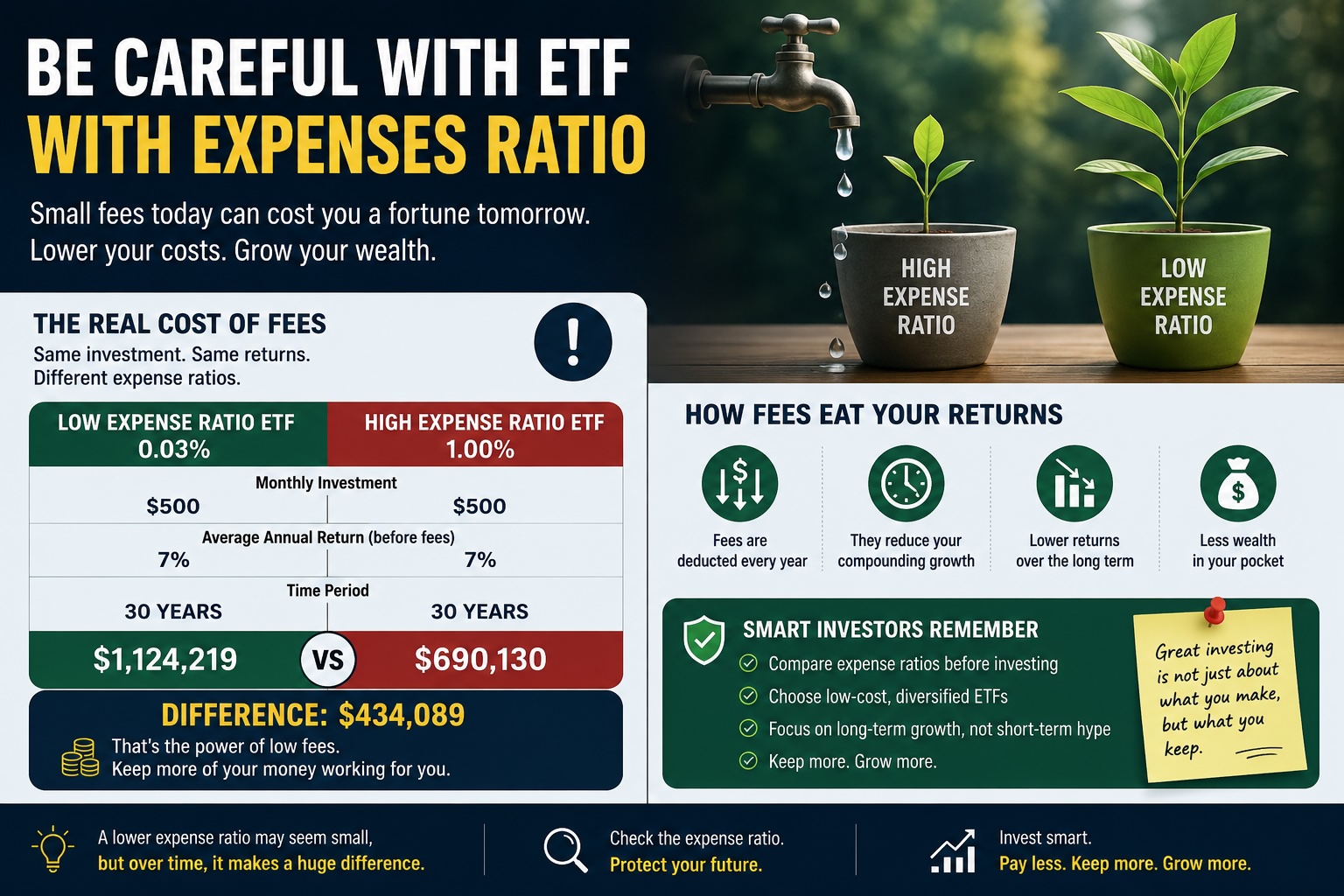
Be careful with ETFs that have high expense ratios
Do you know why is it important?
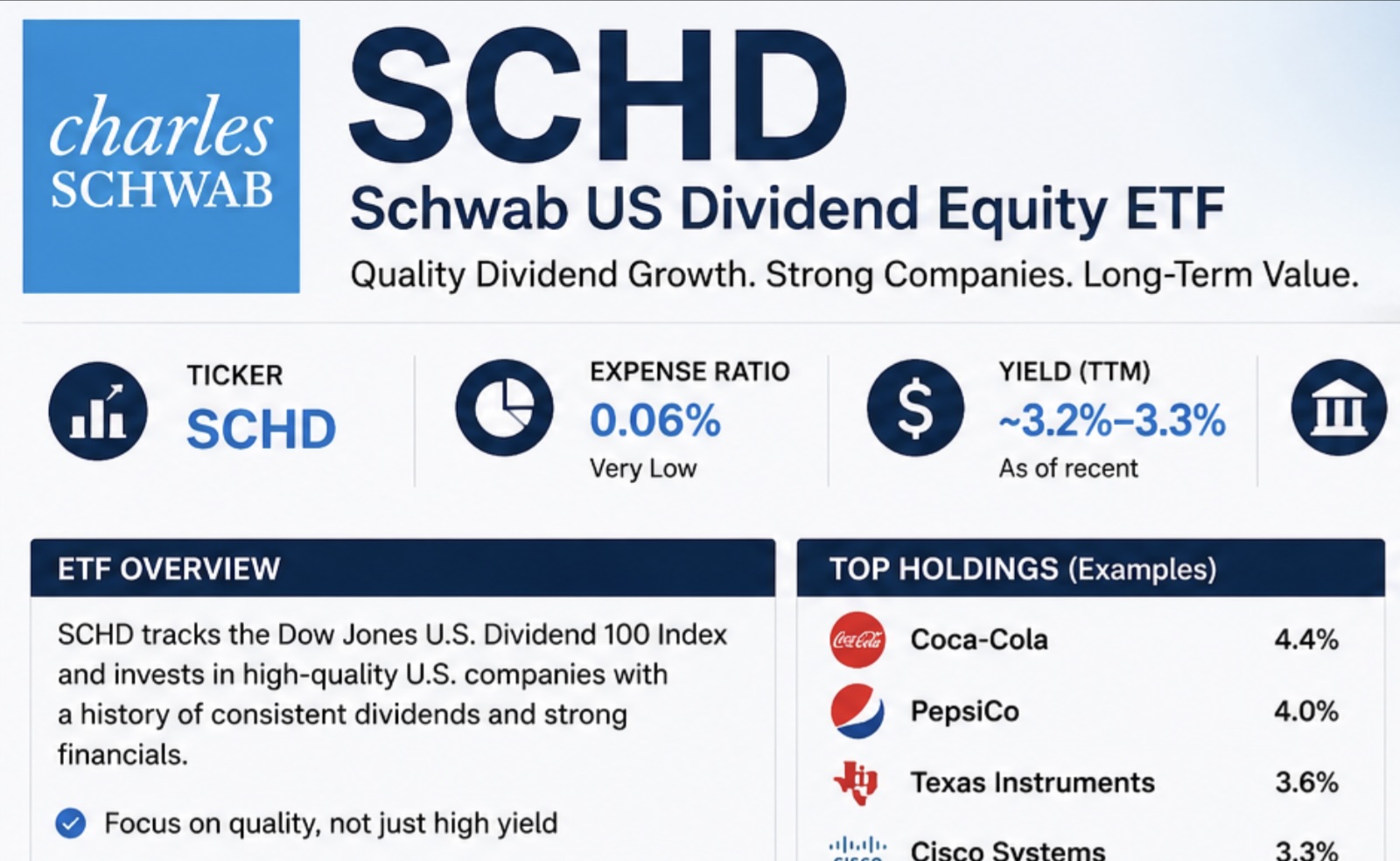
ETF SCHD with 100 companies
Did you check this before?
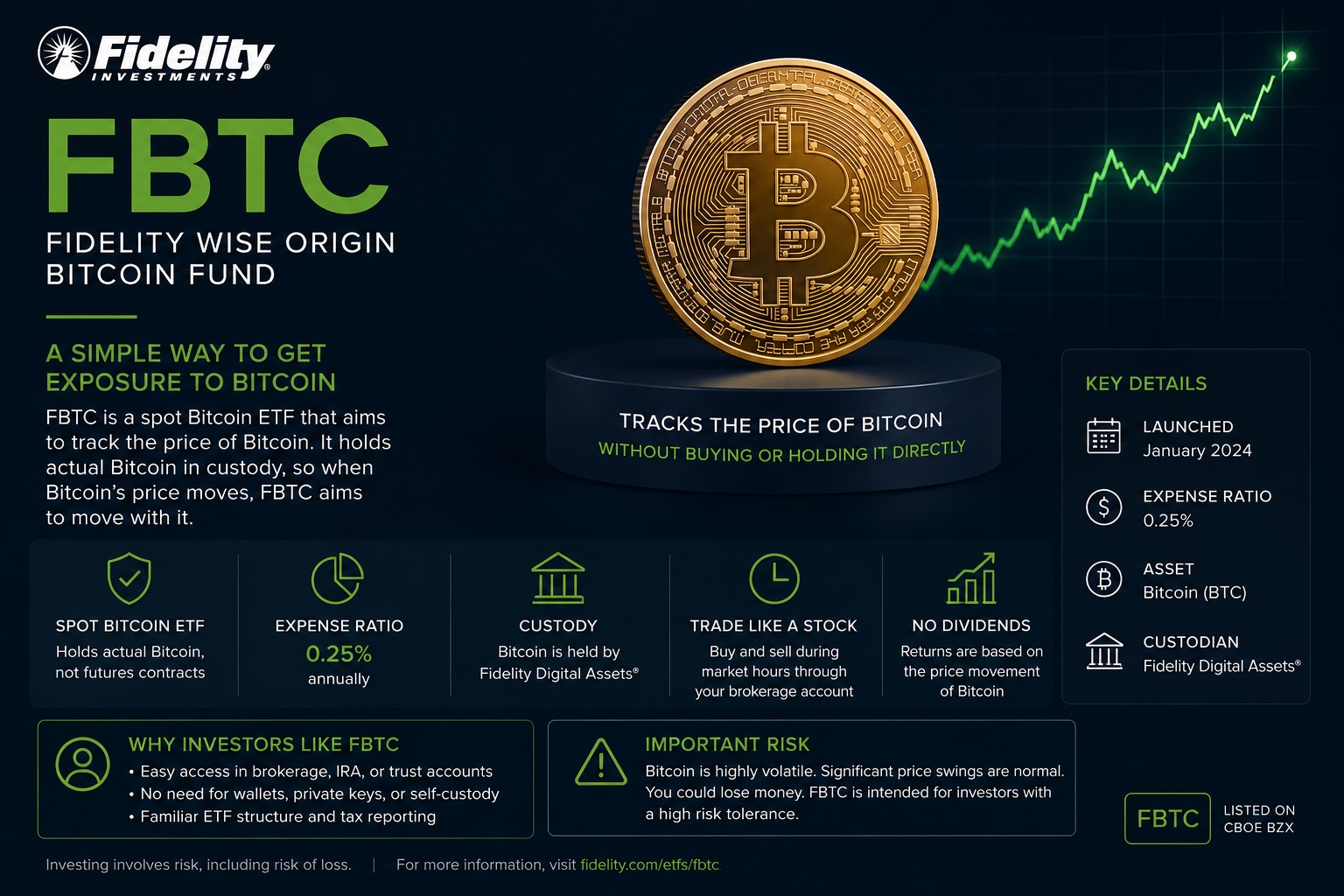
FBTC: the alternative to Bitcoin
FBTC (Fidelity Wise Origin Bitcoin Fund) is a...

ETF SOXX
SOXX is the BlackRock iShares semiconductor ETF...

Investing 10k in VYM, 10k in JEPI, and 10k in SCHD
If you invest $10k each in VYM, JEPI, and SCHD...

ETF JEPI paying monthly
JEPI stands for JPMorgan Equity Premium Inco...

How to Invest in S&P 500?
Investing in the S&P 500 is one of the easiest...
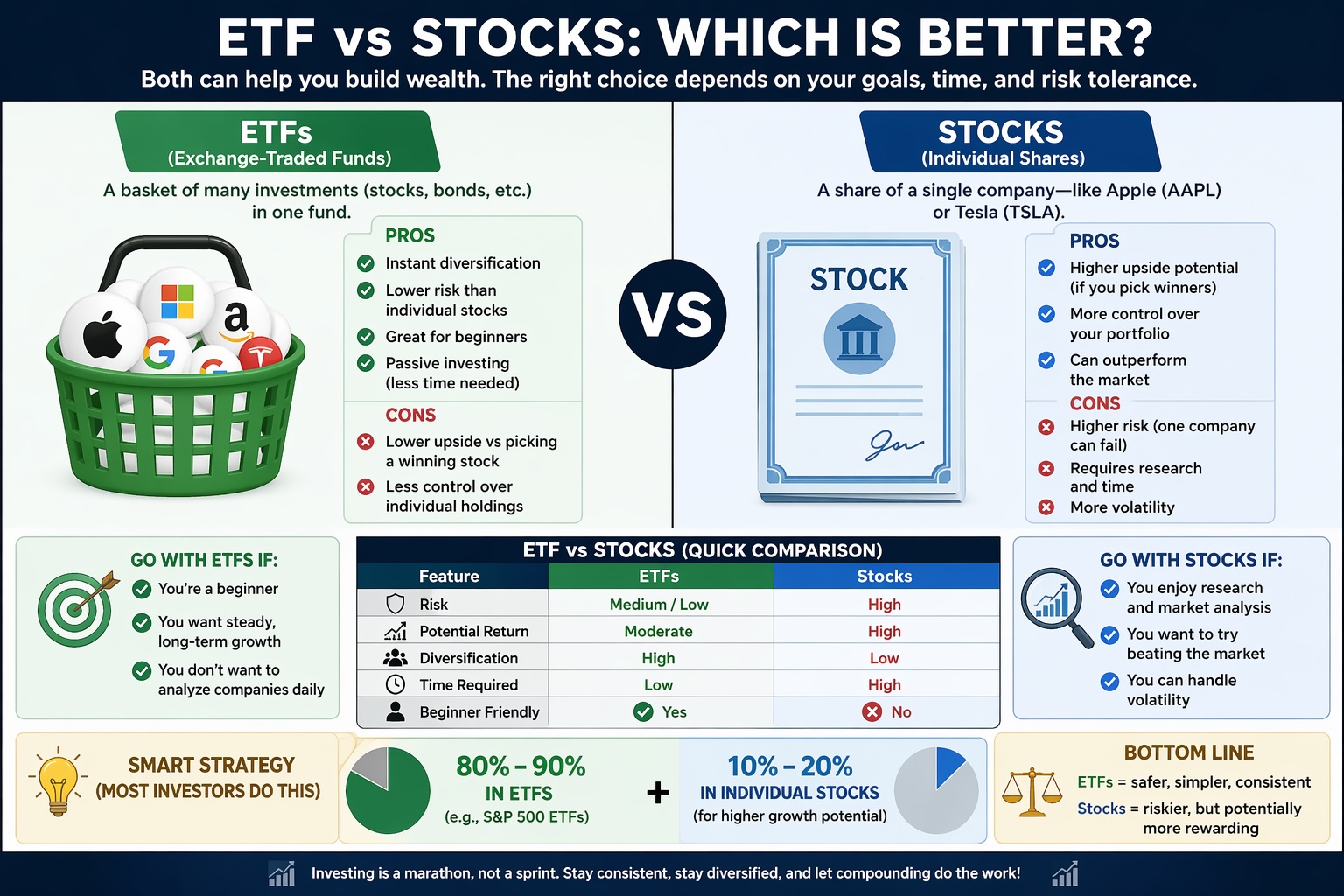
ETF vs Stocks: Which is Better?
Choosing between ETFs and stocks isn’t about...

ETF Invesco QQQ Trust (QQQ)
Is one of the most popular exchange