Small changes and big financial wins
When people think about improving their finances..

When people think about improving their finances, they often imagine big, dramatic changes—landing a higher-paying job, making a perfect investment, or building a six-figure portfolio overnight.
In reality, most financial success comes from small, consistent decisions.
Below is a practical list of everyday money wins that real people are using to improve their financial lives. None of these requires advanced knowledge or high income—just awareness and action.
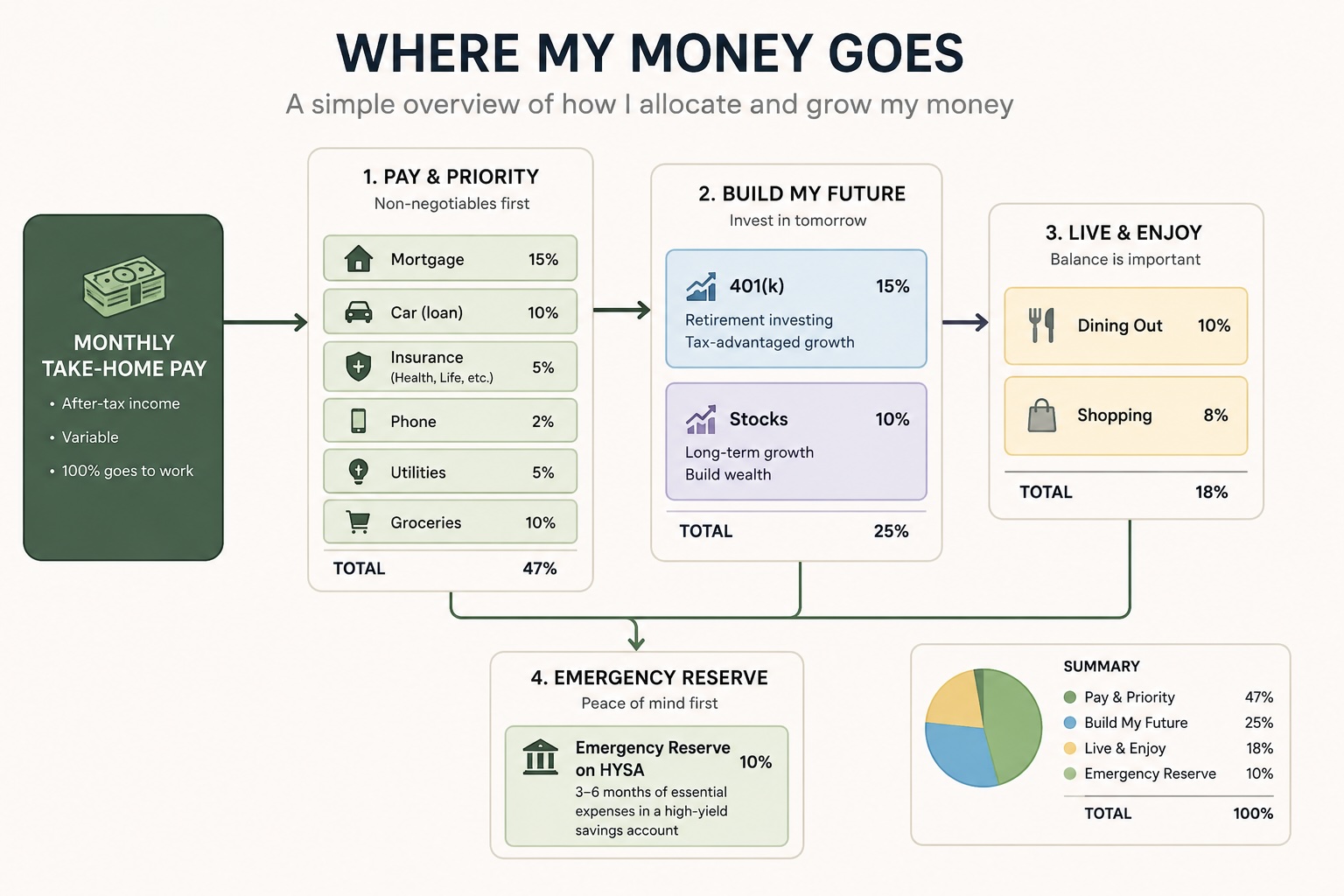
1. Building a Long-Term Savings Plan
One of the most impactful steps is simply having a plan.
Sitting down with a partner (or even just yourself) to define goals—like an emergency fund, home purchase, or retirement—creates direction. Without a plan, money tends to disappear. With a plan, every dollar has a purpose.
Why it matters: Clarity reduces stress and increases consistency.
2. Cutting Unused Subscriptions
Monthly subscriptions are easy to forget and quietly drain your finances.
Streaming services, apps, memberships—many go unused. Cancelling even a few can free up meaningful cash flow each month.
Why it matters: Saving $30–$100/month adds up to hundreds or thousands per year.
3. Switching Providers to Lower Costs
Loyalty doesn’t always pay when it comes to bills.
Insurance, internet, and mobile providers frequently offer better rates to new customers. Comparing options once a year can significantly reduce expenses without sacrificing quality.
Why it matters: Same service, lower cost = instant return on effort.
4. Packing Lunch Instead of Ordering Takeout
This is one of the most classic—and effective—money habits.
Buying lunch daily can easily cost $10–$15. Preparing meals at home cuts that expense dramatically.
Why it matters: Saving $8–$12 per day could mean $2,000+ per year.
5. Increasing Retirement Contributions
Even a small increase in your 401(k) contribution can make a huge difference over time.
Thanks to compound growth, money invested today works for you for decades.
Why it matters: A 1–2% increase now can translate into tens of thousands later.
6. Completing a “No-Spend” Month
A no-spend challenge means limiting purchases to essentials only.
It’s not just about saving money—it resets your habits and helps you identify unnecessary spending patterns.
Why it matters: You build discipline and often discover how little you actually need.
7. Quitting Expensive Habits
Habits like smoking don’t just impact health—they also impact finances.
Quitting can save hundreds (or even thousands) of dollars per year.
Why it matters: It’s one of the rare changes that improves both your health and your wealth.
8. Using Free Benefits from Insurance
Many people overlook the extra benefits included in their insurance plans.
These can include wellness apps, gym memberships, mental health services, and more.
Why it matters: You’re already paying—getting the full value is a smart financial move.
9. Making Smarter Purchasing Decisions
Taking a few extra minutes to compare prices before buying can lead to consistent savings.
Whether it’s using price comparison tools, waiting for sales, or choosing alternatives, smarter buying reduces waste.
Why it matters: Better decisions prevent overspending without reducing the quality of life.
10. Repairing Instead of Replacing
In a world of fast consumption, repairing items is often overlooked.
Fixing electronics, appliances, or clothing can save significant money compared to buying new.
Why it matters: You extend the life of your money—not just your belongings.
The Bigger Picture
None of these actions is complicated. That’s the point.
Financial progress doesn’t require perfection—it requires consistency.
If you apply even 3–5 of these habits, you’ll likely see noticeable improvement in your savings, spending, and overall financial confidence within months.
Final Thought
Big financial goals are built on small daily choices.
Start simple. Stay consistent. And remember: every smart decision you make today is a step toward a stronger financial future.
Here are just a few of the awesome wins that were shared:
- Talked with a partner and created a long-term savings plan
- Cancelled unused subscriptions and saved monthly
- Switched providers (insurance, internet, cell) to lower costs
- Packed lunches and avoided takeout
- Increased 401(k) contributions and opened savings accounts
- Completed a “no spend” month and boosted savings
- Quit smoking and saved hundreds of dollars
- Found free benefits through insurance (like apps and gym memberships)
- Made smarter purchasing decisions and price comparisons
- Choose to repair instead of replace big-ticket items
All articles here is not a recommendation.
We just show examples and you need to analyze.
Related articles
Roth IRA facts you need for life
clear, practical, and no fluff

How much do I need in my HYSA to have $250 a month?
Some individuals are not inclined towards invest..
Conventional Savings Account versus High Yield Savings Account
What is the best option?
Mauricio Junior