 Mauricio Junior

How to teach children about finances and savings
Teaching children about finances and savings is on
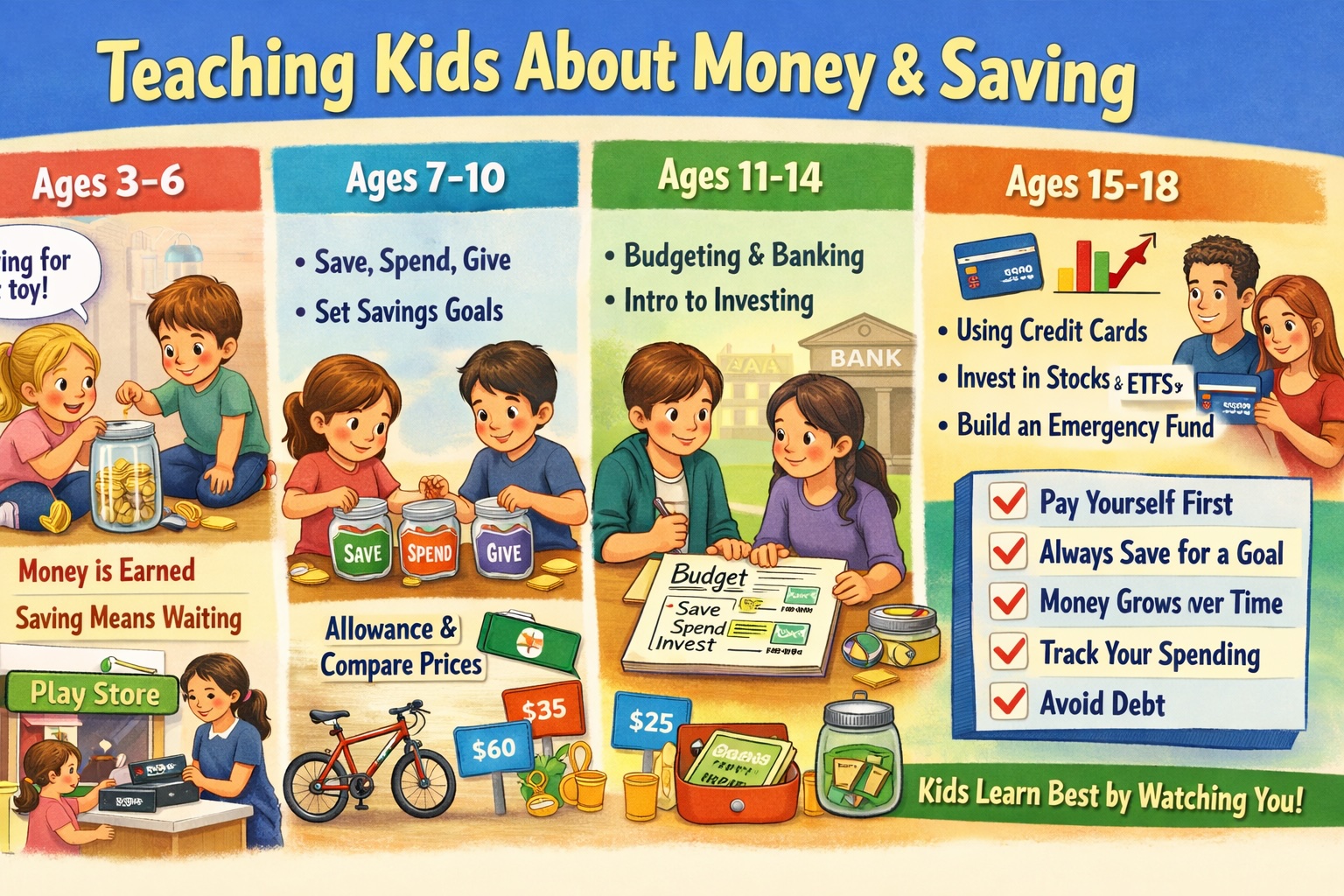
Teaching children about finances and savings is one of the best investments you can make in their future. The key is to make it simple, practical, and age-appropriate.
Subscribe easy2invest.org
Make your money work for you. Articles, videos, shorts, ebooks, books, forum, community and more.
You can cancel anytime.
Log In
Subscribe now
All information in this article is not a recommendation.
We show examples, and you need to analyze.
We are not responsible for your decisions and investments.
Related articles
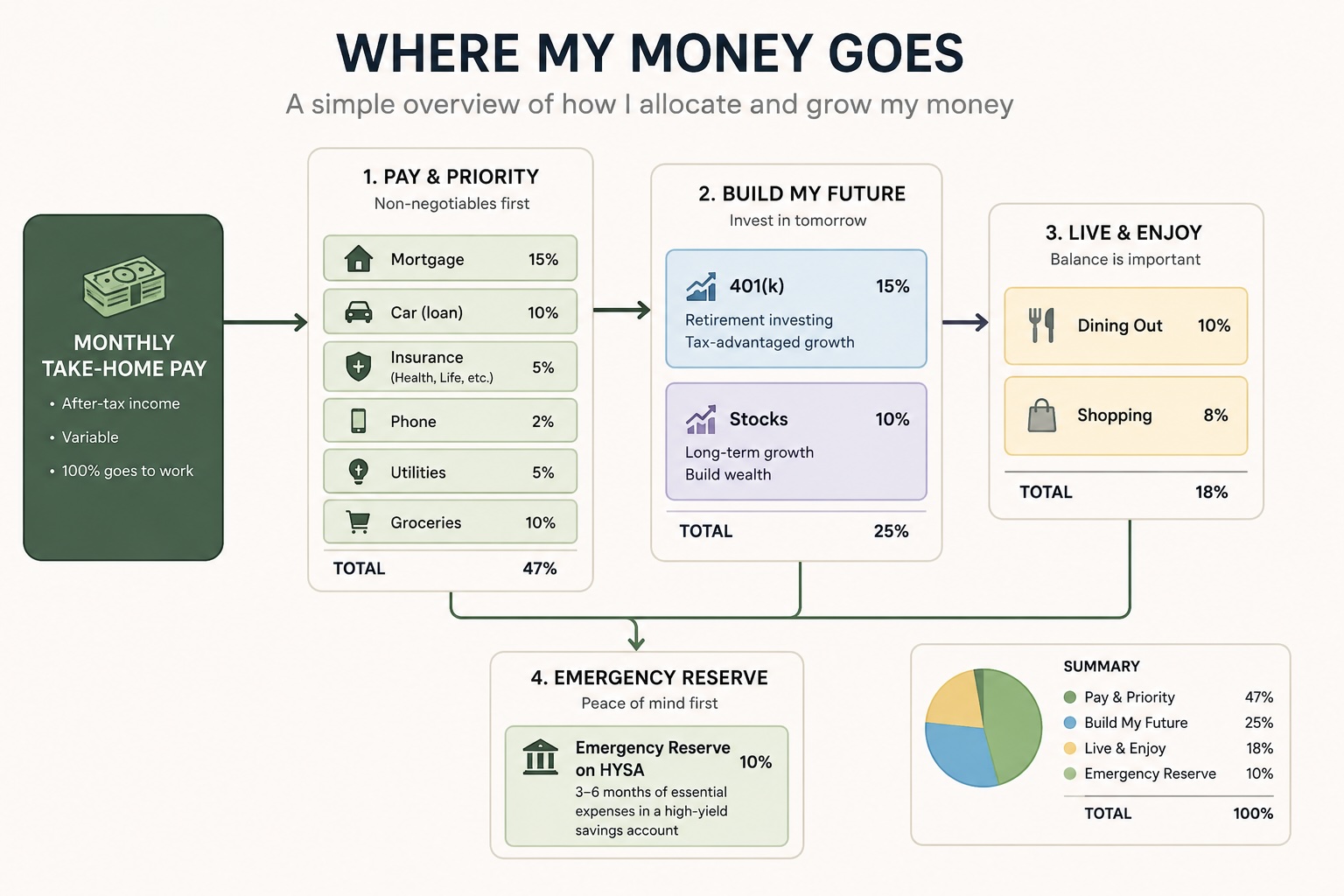
Why Your Emergency Reserve Belongs in a High-Yield Savings Account (HYSA)
Many people focus on investing in stocks, ETFs...
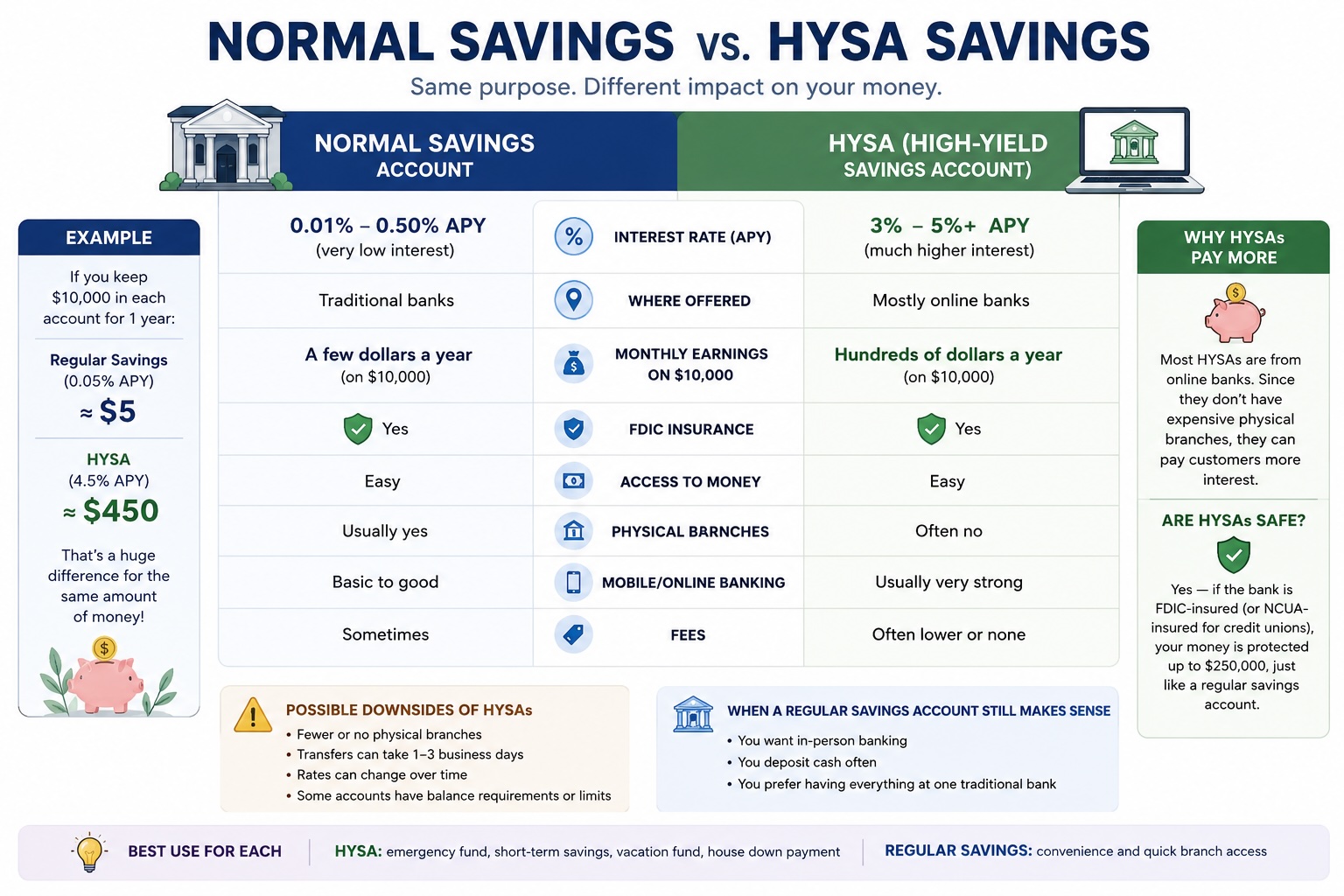
The differences between a normal savings account and a HYSA savings account
Do you know? Tell me which one you are using.
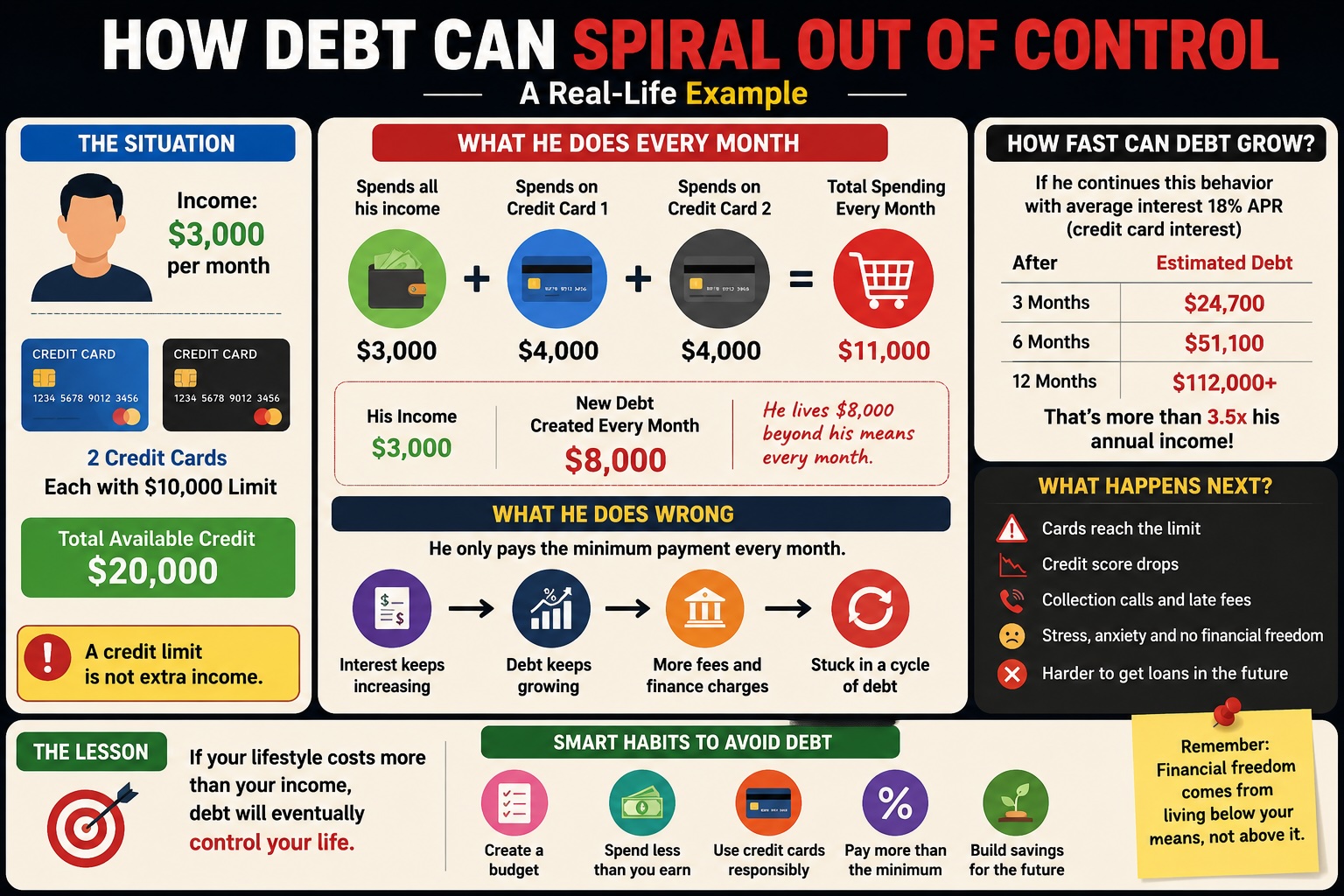
If your lifestyle costs more than your income, debt will eventually control your life
Don't play with money

Three secrets of money for ordinary people
What are ordinary people?

Savings vs Investing: Where Should You Put Your Money?
should I save or invest

Is a HYSA worth it?
Yes, most of the time, a HYSA is absolutely worth

Best High-Yield Savings Accounts in 2026
Still one of the safest and easiest ways to earn..

When I am saving and investing, it seems I am poor, but the reality is I am becoming rich
This phrase is popular because...

Small changes and big financial wins
When people think about improving their finances..

Roth IRA facts you need for life
clear, practical, and no fluff