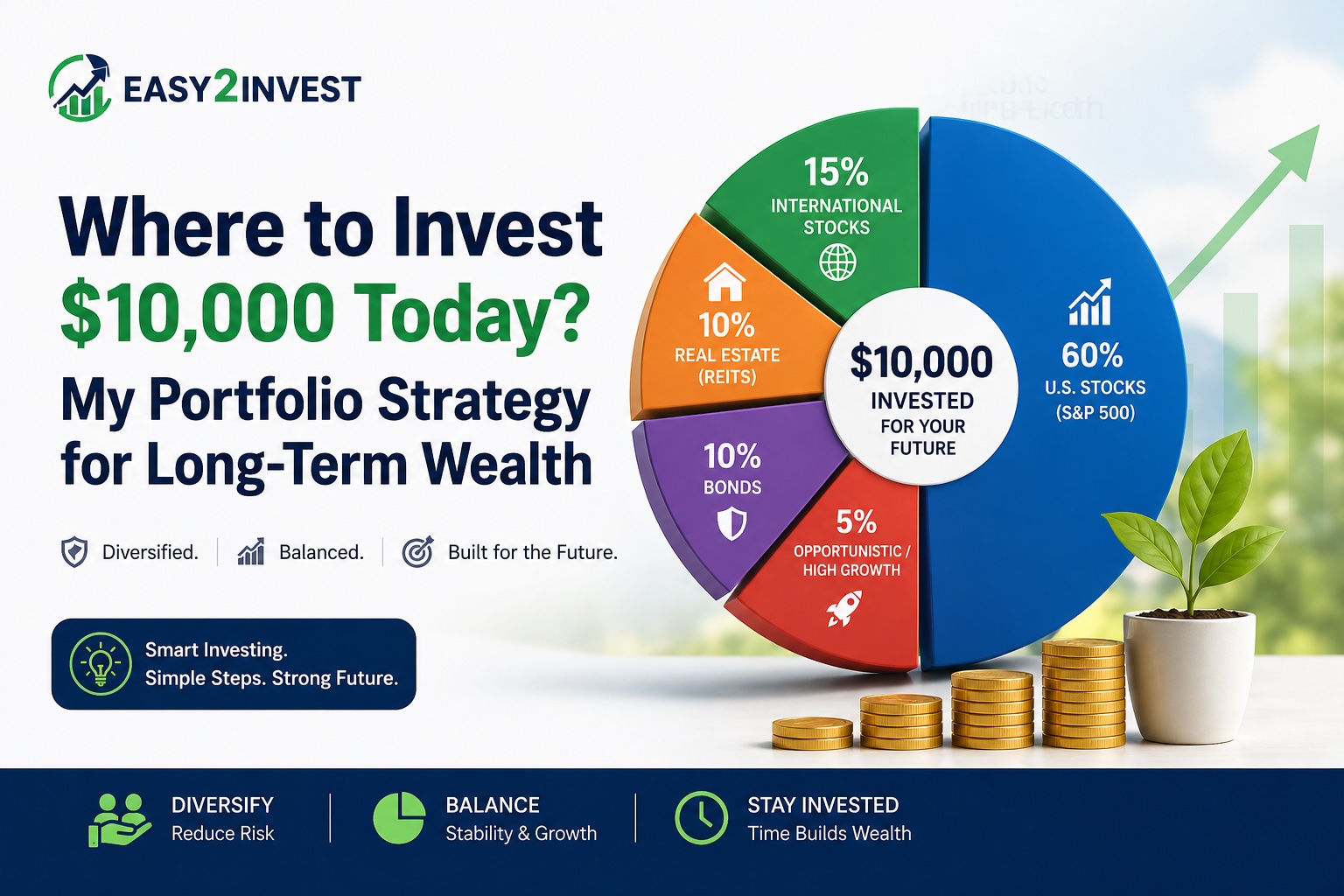
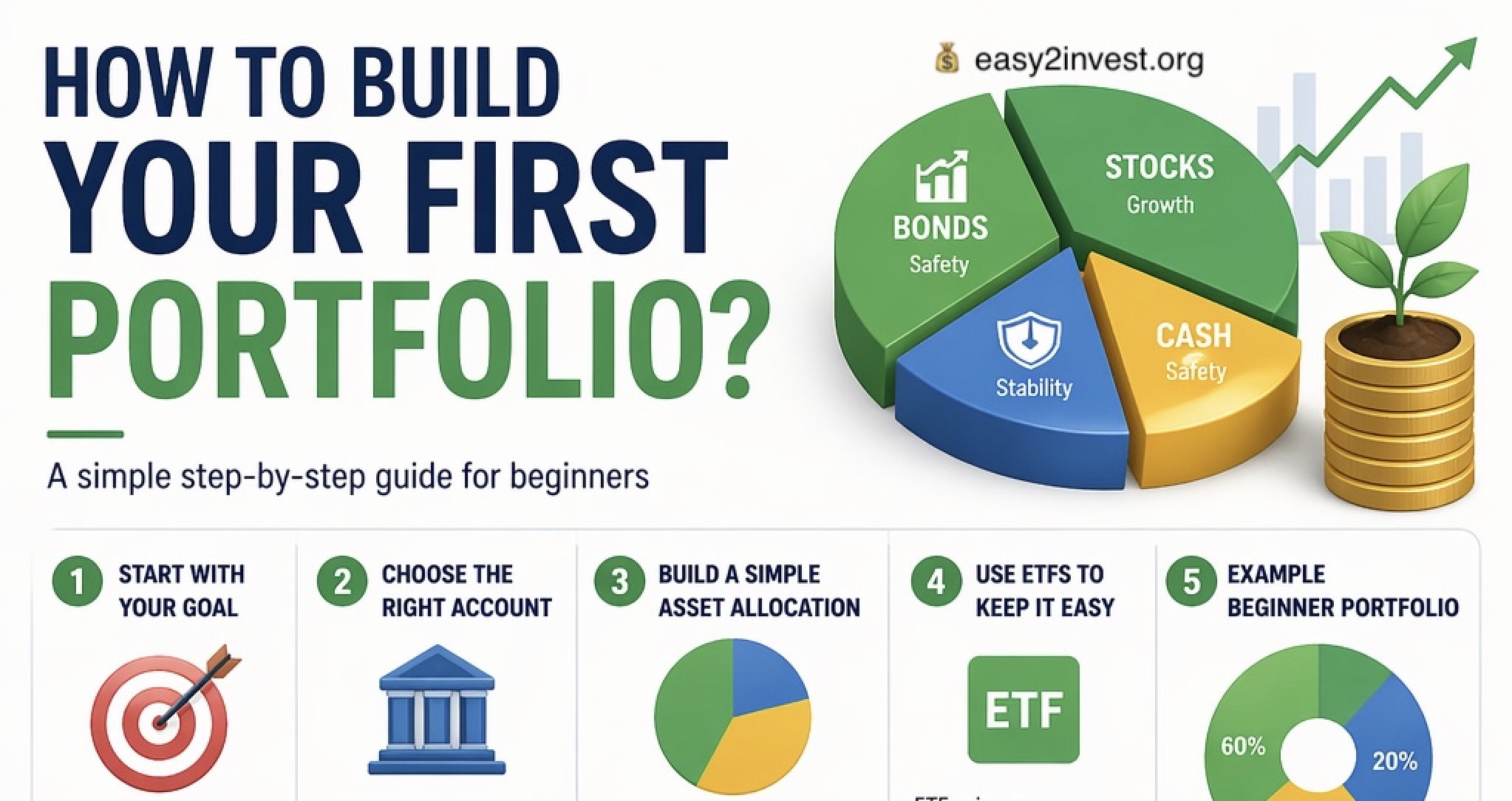
Which option is better: diversifying my money between investing and buying a property to rent?
Check some examples here with me

Diversifying between financial investments and rental real estate can be a very smart strategy — especially for someone like you who already thinks about investing long term.
Investing in the Market (Stocks / ETFs)
Examples:
- Vanguard ETFs
- S&P 500 index funds
- Dividend stocks
- REITs
Advantages
-
Liquidity You can sell anytime (much easier than selling a house).
-
Passive No tenants, no repairs, no phone calls at 2 AM.
-
Diversification With one ETF, you own hundreds of companies.
-
Lower entry cost You can start with small amounts monthly.
Disadvantages
- Market volatility (short-term drops)
- No leverage advantage like real estate
- Emotion can cause bad decisions
Buying a Property to Rent
Advantages
-
Cash flow Monthly rental income.
-
Leverage You can control a large asset with 20–25% down.
-
Appreciation Property value may increase over time.
-
Tax benefits Depreciation, expense deductions, and mortgage interest deductions.
Disadvantages
- Illiquid (hard to sell fast)
- Maintenance costs
- Vacancy risk
- Tenant risk
- Property taxes & insurance
- Time involvement (unless you hire management)
Smart Diversification Strategy
Instead of choosing one or the other, many investors do both.
Example Balanced Approach:
Step 1 – Build a Market Foundation
- Invest monthly into low-cost ETFs
- Aim for broad diversification
- Reinvest dividends
- Let compounding work
Step 2 – Buy Rental When Ready
- After building savings + emergency fund
- When cash flow numbers make sense
- When you can handle vacancy risk
Example Allocation Strategy
It depends on your risk tolerance, but here are common models:
Conservative
- 70% stocks/ETFs
- 30% real estate
Balanced
- 60% stocks
- 40% real estate
Aggressive Wealth Builder
- 40% stocks
- 60% real estate (using leverage)
What Makes Real Estate Worth It?
A rental should:
- Cash flow positive after ALL expenses
- Cover mortgage, taxes, insurance, maintenance
- Include vacancy buffer (5–10%)
- Produce at least 6–10% annual return ideally
If it doesn’t cash flow, you’re speculating on appreciation.
Important Question
Ask yourself:
- Do I want passive investing?
- Or do I want to actively manage assets?
- Do I want liquidity or control?
- Can I handle tenant stress?
A Hybrid Strategy I Personally Like
- Invest monthly in ETFs (automatic)
- Save rental profits
- Reinvest rental profits into the market
- Repeat
This builds:
- Passive stock compounding
- Real estate cash flow
- Asset protection
Alternative Option
If you want real estate exposure without buying a property:
- REIT ETFs (real estate funds)
- Real estate crowdfunding platforms
This gives: ? Liquidity ? Diversification ? No tenant headaches
For Someone Like You
Since you're already interested in investing long-term and building wealth:
Start with:
- Strong ETF base
- Then add 1 well-analyzed rental property
- Avoid being over-leveraged
All articles here is not a recommendation.
We just show examples and you need to analyze.
Related articles
How much should I invest in LAND to earn $1,000 in dividends?
Dividends can make difference
The twenty companies that VOO is investing in are:
Check the list and create yours
How much do I need to invest in O to get $1000 in dividends?
A fast calculation here in this article
Mauricio Junior