Where else can I save my money better than in a bank savings account?
Better than savings account
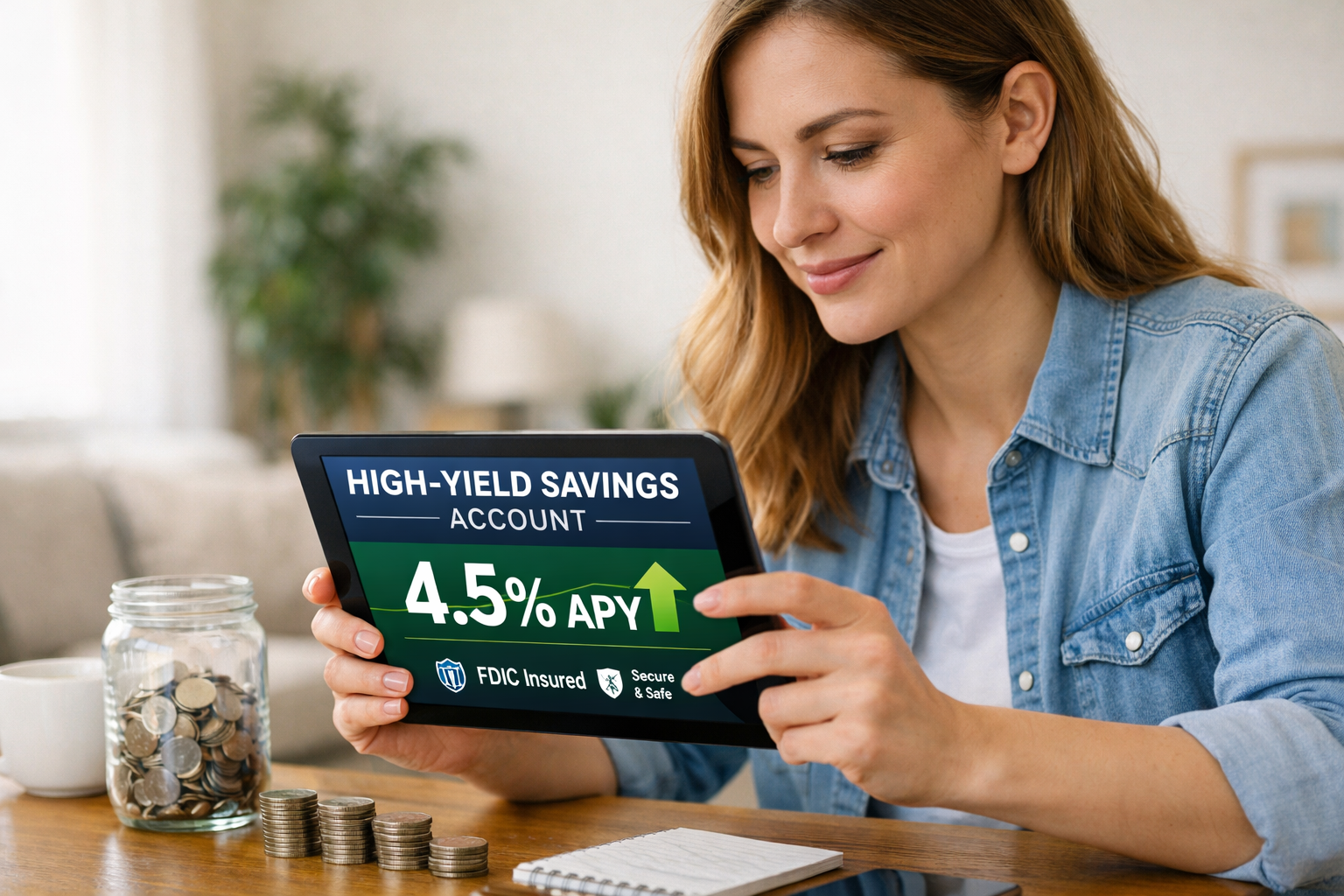
If you’re looking to save your money somewhere that earns more than a typical bank savings account, there are several alternatives — each with different risk, accessibility, and return characteristics. Traditional savings accounts often pay very little interest, so exploring other options can help your money grow faster.(Kiplinger)
Safer, Higher-Yield Cash Options (Low Risk)
These choices keep your money relatively safe while earning more interest than a basic savings account:
1. High-Yield Savings Accounts
- Many online banks offer higher interest rates (often 3–5% APY or more) compared with traditional savings accounts.
- They’re still FDIC-insured (up to $250,000 per depositor per bank), so your principal is safe.
- Good for emergency funds or short-term savings.(Bankrate)
Example: Online banks often have better rates than branch banks because they have lower overhead costs.(Smart Money Reverse)
2. Money Market Accounts (MMAs)
- Similar to savings accounts but typically pay higher interest and offer check/debit card access.
- Also FDIC-insured if held at a bank or credit union.
- Slightly higher minimum balance requirements.(Bankrate)
3. Certificates of Deposit (CDs)
- CDs lock your money in for a set period (e.g., 6 months to 5 years) in exchange for a higher fixed interest rate.
- The longer the term, generally the better the rate.
- Early withdrawals usually incur penalties, so these are best for money you won’t need soon.(Bankrate)
4. Treasury Securities (T-Bills, T-Notes)
- Issued by the U.S. government, these often pay more than bank savings and are very low risk.
- Can be short-term (T-bills) or longer (notes).
- Interest may be exempt from state and local taxes.(Bankrate)
Slightly More Risk, Potentially Better Returns
These options involve a bit more risk or complexity, but historically have delivered better long-term growth:
5. Money Market Mutual Funds
- These funds invest in safe, short-term debt instruments (like government or corporate bills).
- They often yield higher returns than bank savings, but they aren’t FDIC-insured (value can fluctuate slightly).(Kiplinger)
6. Brokerage Cash Management / Short-Term Bond Funds
- Cash management accounts or short-term bond ETFs can offer competitive yields (sometimes linked to market interest rates).
- These can be held in a brokerage account and still be liquid, but they come with market risk (your balance can fluctuate).(Reddit)
Tips for Choosing What’s Right
- Keep an emergency fund (3–6 months) in something very liquid like a high-yield savings or money market account.(AP News)
- Don’t put money you might need soon into long-term locks (like long CDs or bonds).
- Compare interest rates and features (minimum balance, fees, withdrawal limits) before choosing.
- If you want significant long-term growth, consider investing in diversified stock or bond funds — but that’s different from “saving” and involves more risk.(chase.com)
All articles here is not a recommendation.
We just show examples and you need to analyze.
Related articles
I’m 1099 and I would like to optimize my tax
What to do in my case?

Tax Optimization Strategies
Do you know about this strategies

How much do I need to invest in KO to get $1000 from dividends?
Check all the calculations
Mauricio Junior